

Bern's renowned interior design house, Teo Jakob, is redefining how living spaces are perceived and utilized. The company specializes in comprehensive concepts that bring rooms to life, moving beyond mere furniture sales to create immersive experiences.
CEO Simon Flückiger emphasizes that their approach involves understanding how people live before making design recommendations. This philosophy shapes both residential and commercial projects, focusing on comfort, functionality, and aesthetic harmony.
Key Takeaways
- Teo Jakob offers holistic interior design concepts, not just furniture.
- The company's history dates back 75 years, focusing on modern and functional design.
- Light is a crucial element in their design philosophy, transforming spaces.
- The Bern location functions as a walk-through exhibition of designed apartments.
- Over 50% of the company's revenue comes from business interior solutions.
A Legacy of Modern Design and Art
Teo Jakob's roots trace back to 1950 when its founder, Teo Jakob, transformed his father's upholstery business. He shifted the focus from traditional wares to modern, functional furniture. This included Bauhaus icons and avant-garde designs from Scandinavia and Italy.
This forward-thinking approach resonated with the times, leading to the establishment of branches across Switzerland. The company's commitment to design was matched by a passion for art.
Did You Know?
The Teo Jakob art foundation currently holds approximately 500 artworks, many of which adorn the company's various locations.
Teo Jakob fostered friendships with artists, often engaging in creative exchanges. One notable instance involved artist Alfred Hofkunst painting the walls of a dark stairwell in exchange for free accommodation in Teo's attic apartment.
The building on Gerechtigkeitsgasse in Bern is more than just a store. It embodies the very essence of Teo Jakob's identity and history.
Experiencing a Bernese Townhouse
Simon Flückiger views this heritage as a mission: to stage, rather than just furnish, the eight apartments within the historic building. The aim is for visitors to explore freely and find inspiration.
The experience is designed to be less like a retail store and more akin to a creative museum. "It should be a place of discovery," states Simon Flückiger.
"When do you ever get the chance to see a Bernese townhouse from the inside? To experience the layout of the apartments and feel how you can create cozy oases from narrow, long rooms, for example?"
From the vaulted cellar to the attic, a freely accessible path demonstrates the impact of thoughtful design. This unique exhibition is open to all Bern residents, even those not planning a furniture purchase.
Historical Context
The original Teo Jakob business was founded in 1950, transitioning from traditional upholstery to modern, functional furniture. This shift embraced Bauhaus principles and designs from leading European countries.
The Power of Light in Design
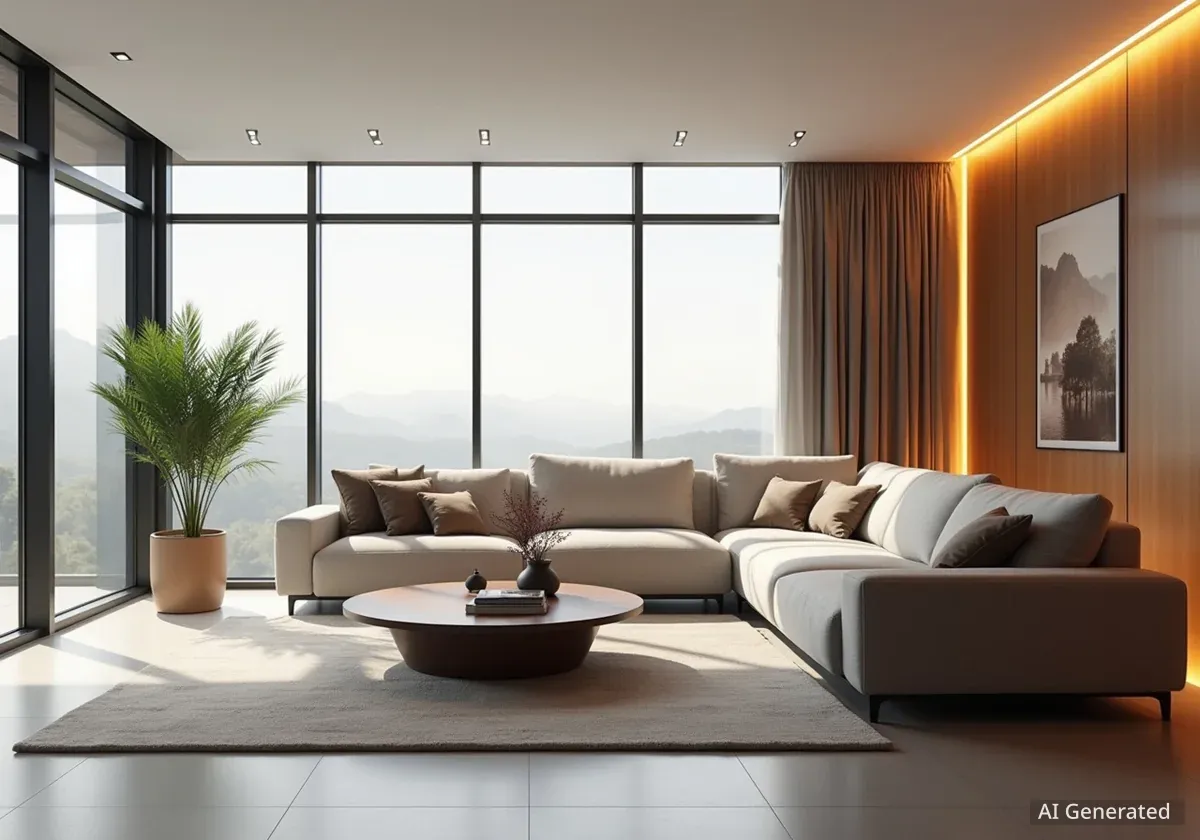
A recent redesign of a front apartment highlights the impact of Teo Jakob's interior architecture. Initially, it appears as a well-furnished living space. However, activating the lighting transforms the room dramatically.
As Simon Flückiger describes, the space becomes truly alive. Strategic shadows, light plays on the walls, and three-dimensional cabinet surfaces emerge.
A previously dark, overlooked corner now glows with warm, inviting light. This demonstrates how carefully planned lighting can redefine ambiance and functionality.
Key Design Element
Teo Jakob's team emphasizes that light is crucial to bringing a room to life, creating dynamic and inviting environments.
Flückiger explains their process, using the example of a dining table. "We want to know how someone lives. What the walls are like, the floor, the windows. How the everyday life of this person, this family, feels. Only then can we recommend something."
The architecture of a home is as vital as the furniture it contains. Surfaces, materials, and especially light, are paramount. He also notes that temperature plays a role. "If it's too cold, you never truly feel comfortable."
Creating Personal Environments
The philosophy extends beyond replacing an entire interior. Sometimes, a single, distinctive piece can balance a room. This might be a designer chair, a unique wooden table, or an unusual light fixture.
"Furnishing is an attitude," Flückiger states. "It's less about chasing trends and more about creating a harmonious, personal environment that suits you."
Sustainability is also a key consideration. Many Teo Jakob pieces are designed for longevity and can be passed down through generations. The company also ensures spare parts are available, allowing for repairs even decades later.
- Longevity: Furniture designed to last for generations.
- Repairability: Availability of spare parts for decades.
- Personal Style: Focus on individual needs over fleeting trends.
Beyond Aesthetics: Touching and Feeling
After admiring the view from the converted attic terrace, visitors can descend into the sample room. Here, a wide array of materials – fabrics, wood, and stone – are available for inspection and, more importantly, for touch.
"People need to be able to feel things, otherwise an important component is missing," says Simon Flückiger. He firmly believes that chairs, in particular, must be tested before purchase. "That's not possible online."
The basement of the building houses countless seating options, arranged almost like a theater. Flückiger, with a smile, points out one of his favorite chairs, sitting in it with ease.
Designing for Business Success
What many might not realize is that Teo Jakob also excels in designing commercial spaces. Over half of the company's revenue comes from business concepts.
"In a time when many products and services have become interchangeable, a company's unique appearance becomes a success factor," Flückiger explains.
"Business premises are the physical business card of a company. They create sympathy and trust, communicate its culture outwards. Harmonious, consciously furnished rooms also increase the well-being of employees. And employees who feel comfortable are not only more motivated but also healthier."
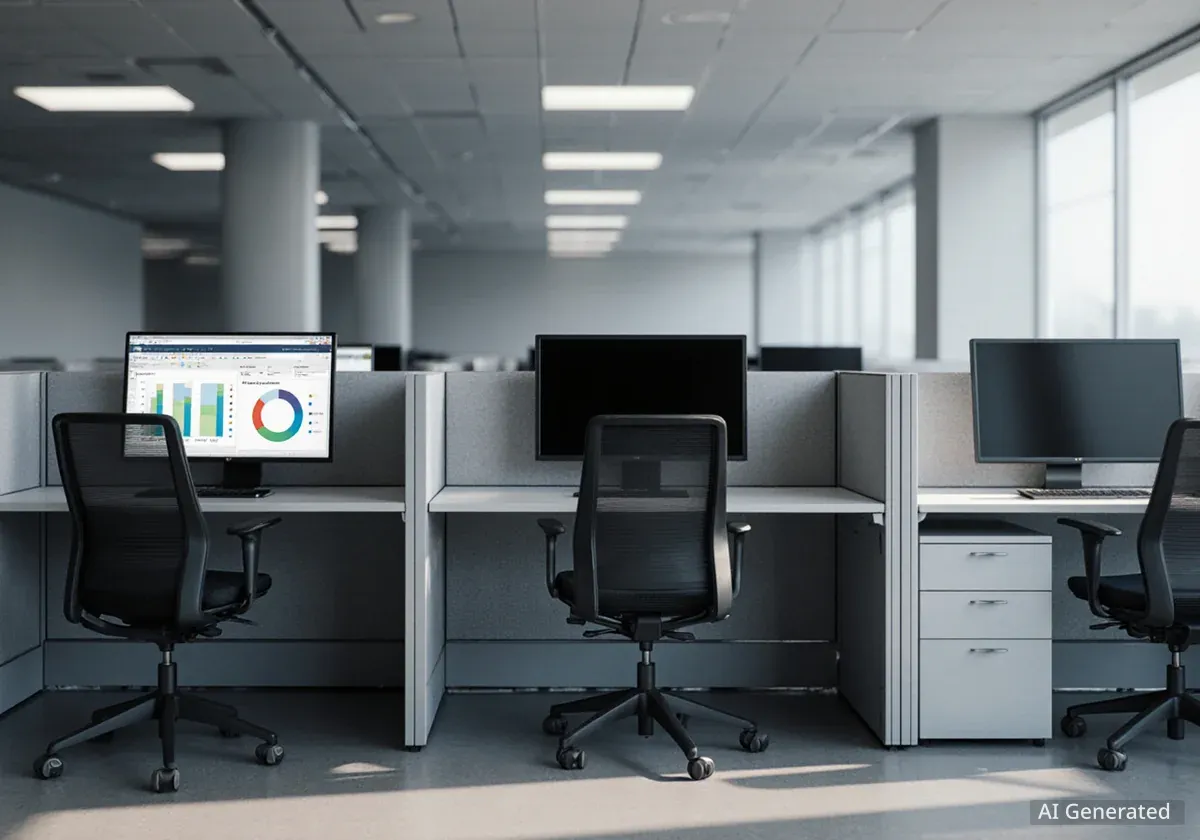
For over 40 years, a large USM department has been part of their offering. Teo Jakob frequently plans with modular systems, allowing spaces to be structured flexibly. This creates adaptable zones that can quickly transform into meeting rooms, private offices, or phone booths.
Sound-absorbing walls or curtains further ensure comfort, even in open-plan offices.
A Commitment to Well-being
Teo Jakob's promise is clear: "We want to awaken rooms and recognize how a room should be used to get the optimum out of it," Simon Flückiger summarizes. Ultimately, it is always about people feeling comfortable.
"We take care of the beautiful things in life," he says, his passion evident. "We can't end wars with it, unfortunately, but we can do something small for well-being."