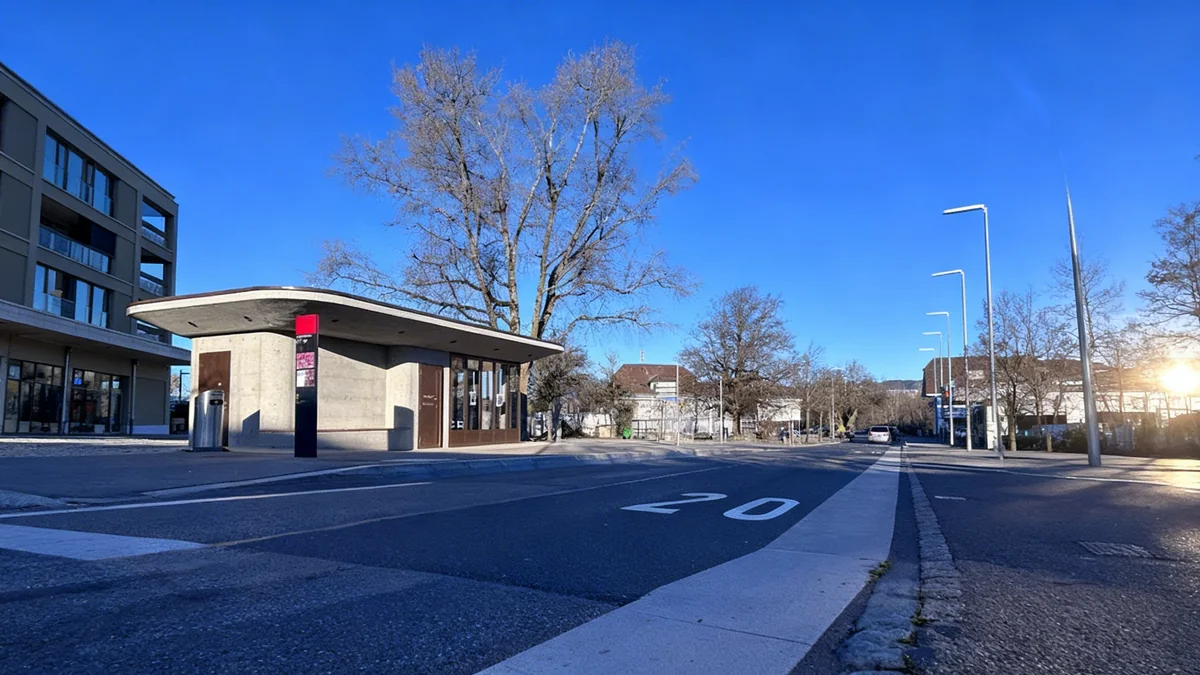




Recent local election results in key Bernese agglomeration communities like Bremgarten and Muri show a clear shift towards left-leaning political majorities. This development challenges long-held conservative strongholds and reflects broader demographic changes in these areas.
The political landscape in the Bern region is undergoing a significant transformation. Once considered bastions of bourgeois politics, several municipalities are now seeing a rise in left-wing influence.
Key Takeaways
- Bremgarten and Muri, traditionally conservative, now have left-leaning majorities.
- New families moving from urban centers contribute to this demographic shift.
- The trend is more pronounced in the Bern region than in other cantonal areas like Thun or Biel.
- Future cantonal elections could be impacted, but voter mobilization remains crucial.
Changing Political Tides in Bremgarten and Muri
In Bremgarten, a notable shift occurred in late 2023. Kevin Zeh, a 34-year-old father and youth worker from the Social Democratic Party (SP), was elected to the municipal council. His party gained a seat from the Free Democratic Party (FDP), securing a left-wing majority.
Kevin Zeh describes the change as surprising to many residents. "The political shift in the community came for many as a surprise," he stated, reflecting on the recent elections. He notes that this new majority allows for policy changes previously considered impossible.
"We can now abolish parking spaces and introduce speed reductions – things that would have been almost impossible before."
Similarly, in Muri, the SP took over the municipal presidency from the FDP. These changes highlight a growing trend in the direct vicinity of Bern.
Fact Check
- Bremgarten Election: Left-wing majority in municipal council secured in late 2023.
- Muri Election: SP gained municipal presidency from FDP.
Demographic Shifts Fueling the Change
Kevin Zeh, who grew up in Bremgarten, observes a clear demographic evolution within his community. He points out that an increasing number of families are relocating from the city of Bern to Bremgarten. These new residents often bring with them more left-leaning political views.
This influx of urban-minded families contributes significantly to the political reorientation. The Aare river separates Bremgarten from Bern, and its riverside areas are popular recreational spots for city dwellers, further blurring the lines between urban and suburban life.
Challenges for Conservative Politics
Ursula Weber, an SVP municipal councillor in Bremgarten for nearly three years, acknowledges the growing difficulties for conservative politics in the Bernese agglomeration. She feels that traditional values are being pushed further into rural areas.
Weber expresses concern over the new ideas emerging from the city, particularly regarding education and traffic policies. She believes these initiatives often attempt to "reinvent the wheel," which she finds disruptive.
"New ideas come from the city, and they try to reinvent the wheel – that bothers me."
Context: The Urbanization Effect
Political geographer Michael Hermann explains this trend as a consequence of increasing urbanization. Many individuals who desire an urban lifestyle and share corresponding worldviews can no longer find affordable housing within the core cities. As a result, this urban, often left-leaning, mentality expands into the nearby agglomeration communities.
Implications for Cantonal Elections 2026
The impact of these local shifts on the upcoming cantonal elections in late March 2026 is a complex question. Politologist Marc Bühlmann emphasizes that not all communities have moved to the left.
Cantonal electoral districts encompass both cities and their surrounding municipalities, which may hold different political leanings. This diversity means that local outcomes do not automatically translate to widespread cantonal shifts.
Bühlmann notes that while nearly half of Bern's population resides in urban areas and the surrounding agglomeration, it is an oversimplification to assume that victory in these areas guarantees success across the entire canton. The ability of parties to mobilize their voters remains the decisive factor.
"Even in the agglomerations, it holds true: whoever mobilizes, wins."
The Agglomeration as a Political Pendulum
Michael Hermann views the agglomeration as a "zone between worlds," bridging the gap between urban and rural life. Current topics of discussion, such as immigration and displacement, significantly influence political sentiment in these areas.
Depending on the broader political climate, either conservative or left-leaning camps can gain momentum here. For example, concerns about population density could trigger a backlash in the agglomeration, leading to more conservative voting patterns.
The political pendulum in these transitional zones can swing in either direction. Political scientists cannot definitively predict which side will mobilize more effectively and ultimately gain the upper hand in future elections.
Key Statistics
- Population Distribution: Almost 50% of Bern's population lives in urban or agglomeration areas.
- Regional Variation: The leftward shift is most pronounced in the Bern region, less so in Thun or Biel.
The evolving political landscape in Bern's agglomeration communities represents a dynamic interplay of demographic shifts, urban expansion, and local political activism. The upcoming cantonal elections will provide further clarity on the long-term implications of these changes.