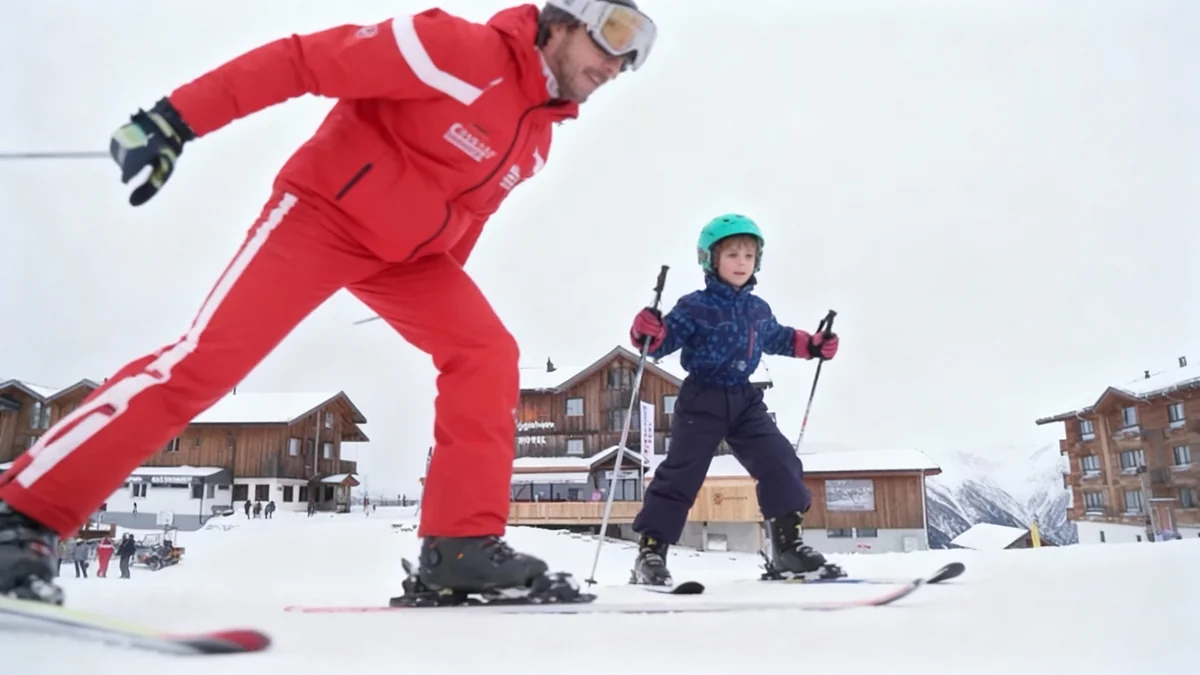




The dream of working as a ski instructor on pristine slopes attracts many young people, but the path to becoming a certified professional is challenging. High costs, irregular work, and a shortage of affordable housing are creating significant obstacles for aspiring instructors, leading to a shortage of qualified personnel in Swiss ski schools.
Key Takeaways
- Only one-third of active snow sports instructors hold a federal diploma.
- The full certification program costs around 16,000 Swiss francs, plus living expenses.
- Ski schools face difficulties finding affordable housing for staff.
- Employment is often irregular, making long-term financial planning difficult.
The Appeal and Reality of Ski Instruction
Many individuals are drawn to the ski instructor profession by the allure of working outdoors in beautiful mountain environments. Vivienne Bielmann, a 25-year-old ski instructor, describes her work as "pure freedom" and a high quality of life. She enjoys being outside in good weather.
Despite the appealing lifestyle, the job comes with practical challenges. While many young people want to spend a season on the slopes before university, few commit to the full professional certification. This creates a gap between available entry-level staff and fully qualified instructors.
Fact: Low Certification Rate
Swiss Snowsports, the national association for snow sports schools, reports that out of 12,700 active snow sports instructors, only about one-third hold a federal diploma. Each year, approximately 1,000 people begin the training, a number that continues to grow.
High Costs and Irregular Income
The financial commitment required for certification is a major barrier. The entire training program to become a certified professional ski instructor costs around 16,000 Swiss francs. This figure does not include additional expenses such as accommodation, food, and ski passes, which can add considerably to the total.
Vivienne Bielmann, who is currently working towards her diploma, experiences the financial strain firsthand. She notes that her work hours, and consequently her income, are irregular until she completes her certification. "To afford the winter, I work a lot in the summer," she explains.
"The path to a diploma is time-consuming and also expensive," says Roman Sifrig, Co-Head of Training at Swiss Snowsports. "This can be a hurdle, especially for young people."
Currently, only the canton of Valais offers financial support for these training costs. However, Valais also has stricter requirements: at least 20 percent of a ski school's instructors must be certified. Ivan Volken, head of a ski school in Fiescheralp, acknowledges this helps quality but poses a challenge for medium-sized schools to meet consistently.
Housing Shortages and Employment Instability
Another significant hurdle for ski instructors is the lack of affordable housing in popular tourist regions. This issue affects major destinations like Saas-Fee and Fiescheralp alike. Ski schools are increasingly stepping in to help their staff find accommodation, even though it is not traditionally their responsibility.
Ivan Volken emphasizes the necessity of this support. "It's not our job to find housing for employees. But without housing, they won't take the job," he states. This highlights the critical role housing plays in attracting and retaining staff.
Understanding the Seasonal Nature
Ski instructing is a highly seasonal profession. Gabriel Anthamatten, head of a ski school in Saas-Fee, explains that work fluctuates greatly. "In the high season, there is a brutal amount of work. In January and March, sometimes very little." This makes long-term financial and personal planning difficult for instructors.
The combination of high training costs, uncertain employment, and housing difficulties contributes to the shortage of fully qualified instructors. While many are eager to experience the slopes, fewer are prepared for the commitment required to make it a long-term career.
Looking Ahead: Sustaining the Profession
Despite these challenges, some instructors, like Vivienne Bielmann, remain committed. She acknowledges both the advantages and disadvantages of a seasonal job. "Many young people are put off by it. But maybe one can stick with it – if you have the time and motivation."
The ongoing need for certified professionals means ski schools and industry associations are continually looking for ways to support aspiring instructors. Addressing the financial burden of training and the scarcity of affordable housing are key steps to ensure the future of the profession.
Maintaining a high standard of instruction is crucial for the reputation of Swiss ski resorts. The current situation calls for innovative solutions to bridge the gap between passion for the mountains and the practical realities of a professional career.
- Supporting Training: More cantonal funding could ease the financial burden on students.
- Housing Initiatives: Local governments and tourism boards might partner with ski schools to develop affordable housing options.
- Flexible Employment Models: Exploring ways to stabilize income outside peak seasons could attract more long-term professionals.