


Mondelez International has invested 65 million Swiss francs into its Toblerone production facility in Bern-Brünnen, Switzerland. This significant investment aims to increase the chocolate brand's production capacity by 30 percent and reinforce its commitment to the Swiss location. The announcement comes amidst global discussions about 'Swissness' and local production.
Key Takeaways
- Mondelez invested 65 million Swiss francs in the Bern-Brünnen Toblerone plant.
- The investment will boost production capacity by 30 percent.
- A new, flexible production line incorporates AI-powered smart cameras for quality control.
- The move reaffirms Toblerone's commitment to its Swiss origins.
- Discussions continue regarding the sourcing of raw materials, specifically butter.
New Production Line Enhances Efficiency and Capacity
The core of the 65 million franc investment is a new, advanced production line. This state-of-the-art machinery handles several critical steps in chocolate production. These include conching, a process vital for refining chocolate's texture and flavor, as well as cooling and packaging.
The new line is currently undergoing testing. Full operation is expected in the coming months once all systems are running perfectly. This expansion will work alongside the four existing production lines at the Bern-Brünnen factory, ensuring a substantial increase in output.
Fact File: Toblerone Production
- Current daily production: 4 million Toblerone bars
- Time from liquid chocolate to finished product: Approximately one hour
- Capacity increase: 30 percent with the new line
Advanced Technology for Quality Control
One notable feature of the new production line is its integration of smart cameras. These cameras use artificial intelligence to monitor product quality. This technological advancement ensures that each Toblerone bar meets the brand's high standards.
According to a Mondelez spokesperson, the new line offers greater flexibility. It can produce nearly all Toblerone product variations, a capability not shared by the older lines. This adaptability allows the company to respond more efficiently to market demands.
A Commitment to Swiss Heritage
The investment by Mondelez, a US-based food conglomerate that acquired Toblerone in 2012, sends a clear message. It underscores the company's dedication to maintaining Toblerone's production in Switzerland. This commitment is particularly significant given past concerns that production might shift abroad.
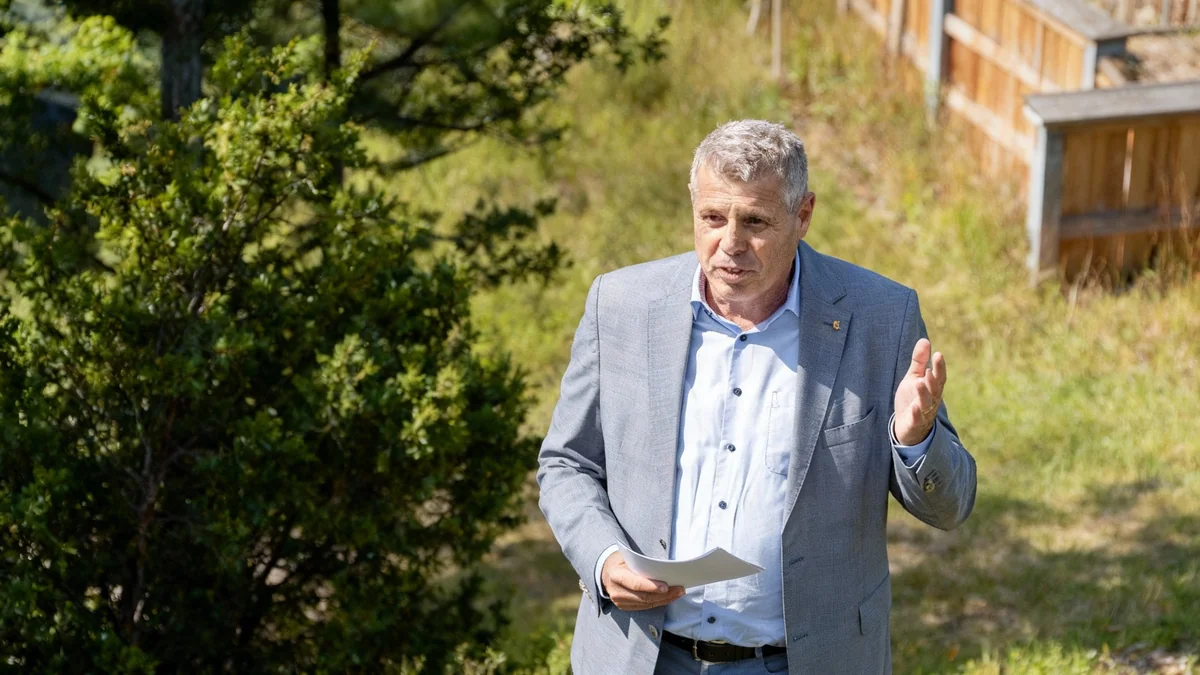
"If there is one product that stands for Switzerland worldwide, it is chocolate. And among Swiss chocolates, Toblerone holds a special place," said Guy Parmelin, Federal President and Minister of Economic Affairs, during the inauguration. "It is a piece of Swiss history. And a symbol of Swissness par excellence."
The brand's connection to Switzerland is a key part of its appeal. The 'Swissness' label is known to increase consumer willingness to pay. Meeting strict Swissness guidelines, which require 80 percent of raw materials for food products to originate from Switzerland, is crucial for brands like Toblerone.
Toblerone's Bernese Roots
Toblerone was created by Theodor Tobler and Emil Baumann in Bern's Länggasse district in 1908. The factory moved to Bern-Brünnen in 1985. The brand has been under American ownership since 1990, first with Philip Morris and then Mondelez International.
Raw Material Sourcing Remains a Discussion Point
Despite the investment in Swiss production, the sourcing of raw materials continues to be a topic of discussion. Recently, Mondelez faced scrutiny for plans to import 924 tons of butter. This occurred even as Switzerland reported ample domestic butter reserves.
Toblerone contains a small percentage of butterfat, typically between 1.6 and 3 percent. Local farmers expressed disappointment over the import decision. Mondelez stated that it considers both domestic and international suppliers for raw materials, including factors like sustainability, quality, innovation, and cost.
While details remain confidential due to competitive reasons, Mondelez highlighted its success in sourcing a significant portion of ingredients from Swiss suppliers. This includes the majority of the Swiss milk powder used in Toblerone production.
Future Outlook for Toblerone in Bern
The 65 million franc investment solidifies Bern's role as Toblerone's global competence center. The new facility ensures the brand's continued presence and growth in its country of origin. This move is a positive development for the local economy and for the global recognition of Swiss chocolate.
The enhanced capacity and technological upgrades position Toblerone to meet rising demand. It also allows for greater product diversification. The company's commitment to Bern signals a strong future for the iconic triangular chocolate bar.