


The Swiss medical technology sector is currently under scrutiny by the United States, facing potential special tariffs that could significantly impact its exports. This comes despite a general trend of reduced US tariffs for other industries, leaving Medtech companies in a precarious position.
Key Takeaways
- US Commerce Department is investigating Swiss Medtech imports for national security risks.
- Potential special tariffs could be imposed on top of existing rates.
- The 'Section 232' law allows the US President to regulate imports deemed a national security threat.
- Swiss Medtech seeks a return to zero-percent tariffs and exemption status similar to pharma and semiconductors.
- Discussions between Swiss and US officials are ongoing, with updates expected in spring.
US Investigation Targets Swiss Medical Devices
Since early September, the US Department of Commerce has been conducting an investigation into the Swiss medical technology industry. The core question is whether imports from Switzerland pose a risk to the national security of the United States. This inquiry could lead to additional tariffs.
If US authorities conclude that these imports endanger national security, they could impose extra duties. These would be in addition to any existing tariffs, creating a significant financial burden for Swiss manufacturers.
Important Fact
The US currently applies a 15 percent tariff ceiling for related sectors like pharmaceuticals and semiconductor industries, protecting them from higher duties. This protection is notably absent for the Medtech and robotics sectors.
Understanding 'Section 232' of US Trade Law
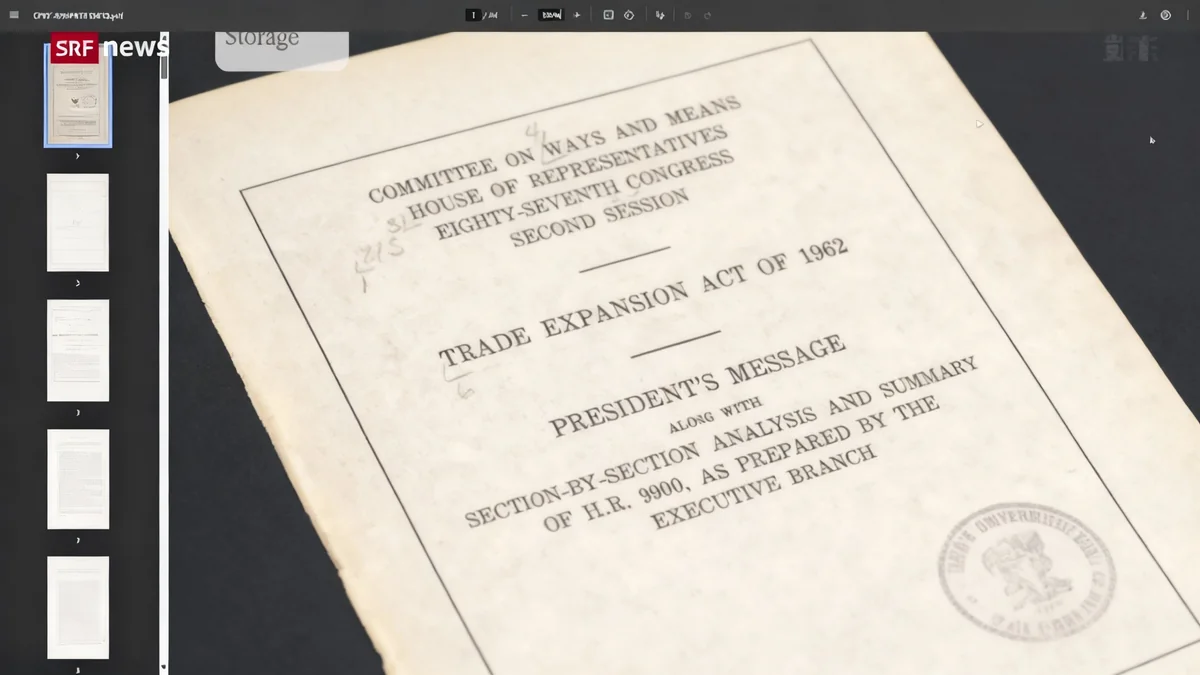
The legal basis for this investigation is 'Section 232' of US trade law. This article is a key tool in US trade policy. It empowers the US President to regulate or restrict imports if they are perceived to threaten national security.
A threat to security can stem from various factors. For example, an excessive reliance on foreign suppliers or technologies could be cited as a concern. This provision has been used in other sectors, such as steel and aluminum, where the US imposed additional tariffs of 50 percent globally.
Adrian Hunn, Director of the Swiss Medtech Association, stated, "We demand continued negotiations with the goal of returning to the original status of zero percent tariffs on medical technology products. We also seek exemptions, similar to those for pharma and semiconductors, for products under these investigations."
Swiss Government Engages in Diplomatic Efforts
The Swiss government is actively working to address these concerns. Philippe Lionnet, Deputy Head of Bilateral Economic Relations at Seco, confirmed that discussions with the US Department of Commerce are planned.
The primary objective of these talks is to prevent the imposition of high additional tariffs. Switzerland also aims to negotiate for a reduction in any potential new duties. News regarding the outcome of these discussions is anticipated in the spring.
Broader Economic Context
While many sectors are breathing a sigh of relief over general US tariff reductions, the Medtech industry faces a unique challenge. This situation highlights the complex nature of international trade relations and the specific vulnerabilities of certain industries to national security concerns.
The Stakes for Swiss Medtech Companies
For Swiss Medtech companies, the potential for new tariffs represents a significant risk. Switzerland is a leading innovator in medical technology, and access to the US market is crucial for many businesses.
- Increased costs for exports to the US.
- Reduced competitiveness against domestic US producers.
- Potential shifts in global supply chains.
- Uncertainty for future investment and growth.
The industry hopes that diplomatic efforts will lead to a favorable resolution. A return to zero-percent tariffs would ensure the continued smooth flow of essential medical devices to the US market.
Impact on Innovation and Supply Chains
The Swiss Medtech sector is known for its high-quality products and innovative solutions. Disruptions to trade could not only harm Swiss companies but also affect healthcare providers and patients in the United States who rely on these advanced medical technologies.
Maintaining open trade channels is vital for both economic stability and global health. The ongoing negotiations are critical in shaping the future of this important industry.