


Switzerland and the United States are preparing to launch the first round of negotiations for a comprehensive trade agreement. These crucial discussions aim to resolve ongoing tariff disputes and foster stronger economic ties between the two nations.
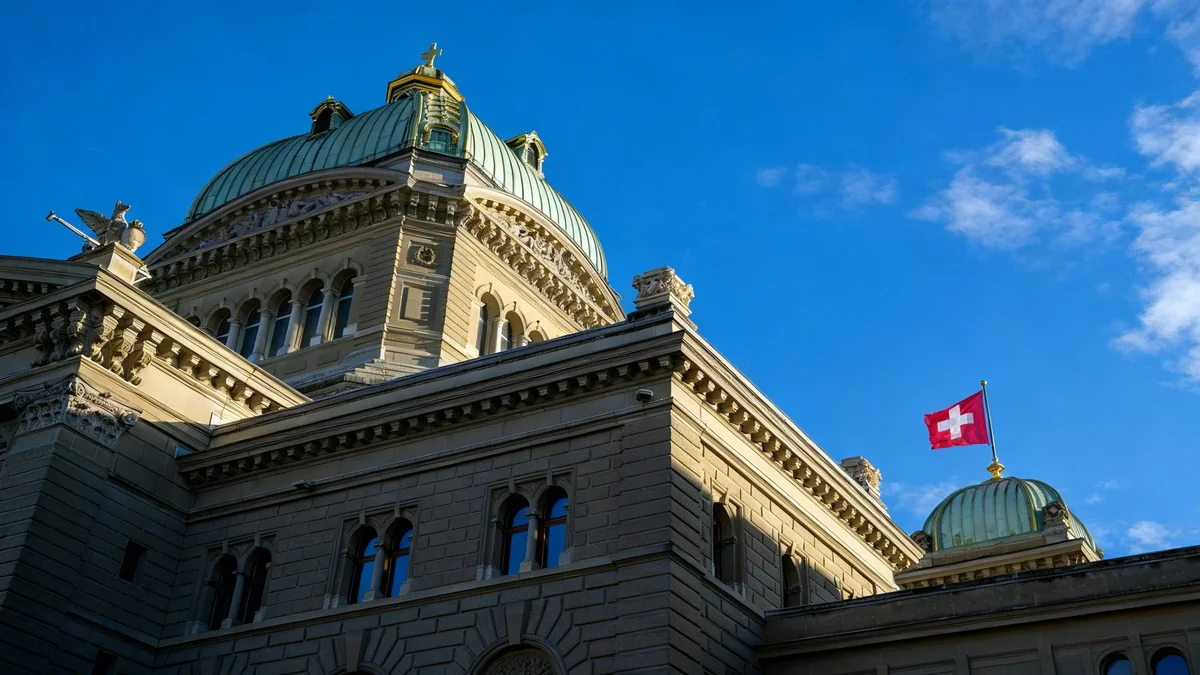
The initial round of talks is scheduled to take place in Bern, the Swiss capital. This development follows recent high-level meetings between Swiss officials and their American counterparts.
Key Takeaways
- First round of trade talks between Switzerland and the US will occur in Bern.
- Discussions aim to finalize a legally binding trade agreement by March 31.
- The agreement seeks to resolve a tariff dispute that saw US duties on Swiss goods reach up to 39%.
- Swiss President Guy Parmelin and US Trade Representative Jamieson Greer held constructive meetings in Davos.
Setting the Stage for Negotiations
Swiss President Guy Parmelin confirmed that negotiations would commence as soon as possible. He described his recent discussions with US Trade Representative Jamieson Greer as "very constructive." These meetings occurred in Davos, Switzerland, on the sidelines of the World Economic Forum (WEF).
State Secretary Helene Budliger Artieda also attended the meetings. The focus of these initial interactions was to establish the framework for future technical-level negotiations.
"We had very constructive discussions with US Trade Representative Jamieson Greer," President Parmelin stated on the social media platform X. "The first round of negotiations for a trade agreement will take place in Bern as soon as possible."
Pre-Negotiation Discussions
Before the Davos meeting, President Parmelin informed the media that a session with Greer was imminent. This session was intended to hash out the specific modalities of the negotiations. Points of discussion included the location and frequency of future talks.
Fact: Tariff Reductions
Last year, the US imposed tariffs as high as 39 percent on certain Swiss goods. After several months of discussions, this rate was reduced to 15 percent in November. The new trade agreement aims to solidify these reductions.
Addressing the Tariff Dispute
A primary objective of the proposed trade agreement is to resolve an ongoing tariff dispute between Bern and Washington. This dispute has impacted the flow of goods between the two countries.
The United States had previously applied significant tariffs on Swiss products. These duties created economic friction and uncertainty for businesses operating in both nations.
Background on Trade Relations
Trade relations between Switzerland and the US are generally strong, with both countries being important economic partners. However, recent tariff impositions highlighted areas needing formal agreement. A comprehensive trade deal could streamline processes and reduce barriers for Swiss and American companies.
The goal is to formalize the agreement in a legally binding document by March 31. This deadline adds urgency to the upcoming negotiation rounds.
High-Level Engagement
Beyond the discussions with Trade Representative Greer, President Parmelin also met with US President Donald Trump the day before the Davos talks. The trade balance between Switzerland and the United States was a key topic during this high-profile meeting.
These direct engagements at the highest levels underscore the importance both countries place on resolving trade issues. They also highlight the political will to forge a new economic understanding.
The Path Forward
The upcoming technical-level negotiations in Bern will involve experts from both sides. They will delve into the specific details of the trade agreement. These talks are crucial for translating the high-level political will into practical, enforceable terms.
- Negotiators will focus on specific trade categories.
- They will discuss customs procedures and regulatory alignment.
- The aim is to create a fair and mutually beneficial agreement.
The successful conclusion of these negotiations could set a positive precedent for future international trade discussions. It could also strengthen the economic partnership between Switzerland and the United States for years to come.
The Swiss government remains committed to open dialogue and finding common ground. This commitment is essential for navigating complex international trade landscapes.
The global economic climate makes such agreements increasingly important. They provide stability and predictability for businesses and investors alike.