
The municipality of Belp, situated between Bern and Thun, is launching a groundbreaking educational pilot project next school year. Children participating in the voluntary program will attend school four days a week instead of five, while their annual holiday allowance will be reduced from 13 weeks to six. This initiative aims to rethink traditional school structures and better support working parents.
Key Takeaways
- Belp introduces a four-day school week with extended daily hours.
- Annual holidays are reduced from 13 to six weeks.
- The pilot project begins in summer 2026 and will run for six years.
- The new model focuses on experiential, hands-on learning.
- The Pädagogische Hochschule Bern will provide scientific oversight.
Rethinking School Schedules for Modern Families
The concept for this innovative school model originated from Daniela Schädeli, Belp's Head of Family and Education. About five years ago, she learned about a Danish school that offered year-round education, allowing parents greater flexibility in taking holidays. This sparked the idea for a similar approach in Switzerland, specifically addressing the challenges many parents face with holiday organization.
The current system often involves children moving between school and after-school care, which can be disruptive. The new model proposes a 'year-round school' open 46 weeks annually. Students will attend classes four days a week, with extended hours from 8:00 AM to 4:30 PM. This consolidated schedule aims to provide a more stable and enriching environment.
Project Snapshot
- Start Date: After summer holidays 2026
- Duration: Six years
- Attendance: Four days per week
- Daily Hours: 8:00 AM to 4:30 PM
- Annual Operation: 46 weeks
Focus on Experiential Learning
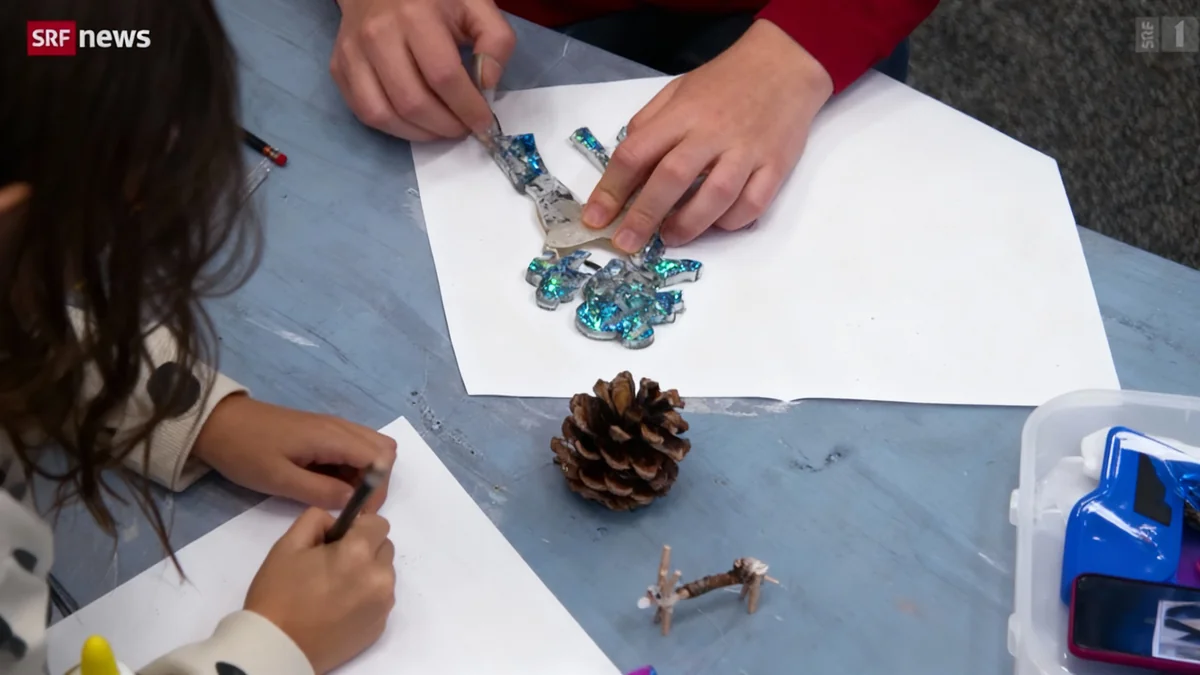
Beyond logistical improvements, Daniela Schädeli envisions a fundamental shift in educational philosophy. The goal is to transform school into a place where students learn through play and practical experience. This includes activities like cooking and gardening, allowing children to engage with the real world directly.
"The idea is that school is a place where students can learn playfully," Schädeli stated. She emphasized that learning should occur in a practical context rather than solely through abstract desk work. This approach aims to help children discover their passions and develop skills in a more engaging way.
"On this way, they learn in the real world and no longer necessarily abstractly at a desk." — Daniela Schädeli, Head of Family and Education, Belp
Academic Support and Oversight
The pilot project, which will start with a basic level, is voluntary for families. It will receive scientific backing from the Pädagogische Hochschule Bern, ensuring rigorous evaluation of its effectiveness. The Education Directorate of the Canton of Bern also supports the initiative.
Yves Brechbühler, media officer for the Education Directorate, welcomed the experiment. He noted that such trials are crucial for exploring innovative teaching methods and school structures. These experiments can generate valuable insights for the ongoing development of public schools.
The Challenge of School Holidays
Many parents struggle with organizing childcare during the extensive school holidays. Traditional school calendars often create significant gaps, leading to stress and complex logistical arrangements for families where both parents work. The Belp model seeks to alleviate this pressure by reducing the number of weeks children are out of school.
Parental and Expert Perspectives
Diana Schmid, a member of the parents' council in Belp, has two school-aged children and works full-time. She understands the challenges of holiday care firsthand. "This is a brave project," Schmid remarked, highlighting the need for innovative approaches to education. She believes such initiatives are important to demonstrate alternative ways for schools to function.
Professor Katharina Maag Merki from the Institute of Educational Sciences at the University of Zurich also expressed enthusiasm for the idea. She believes a pilot project like Belp's has the potential to fundamentally rethink school design. It offers an opportunity to consider how teaching can be structured more effectively throughout the entire school day.
Improving Learning Quality
Professor Maag Merki views the central challenge as improving the quality of education within this new model. She aims for children to benefit more and learn effectively. She argues that traditional 45-minute lessons, divided by subject, can create restlessness and hinder deeper learning.
The Belp pilot project, with its extended daily presence and focus on hands-on activities, presents an opportunity to overcome these traditional limitations. It allows for a more integrated and less fragmented learning experience, potentially fostering better concentration and deeper understanding among students.
- Parental Support: Parents like Diana Schmid see the project as a courageous step towards better childcare solutions.
- Academic Interest: Experts like Katharina Maag Merki believe it offers a chance to improve teaching quality and student learning outcomes.
- Innovation: The project aims to move beyond abstract learning to practical, real-world engagement.
The six-year duration of the pilot project, coupled with scientific accompaniment, will provide comprehensive data on its success. The outcomes could inform future educational reforms across the canton and beyond, offering a new blueprint for how schools can adapt to the needs of modern society and families.