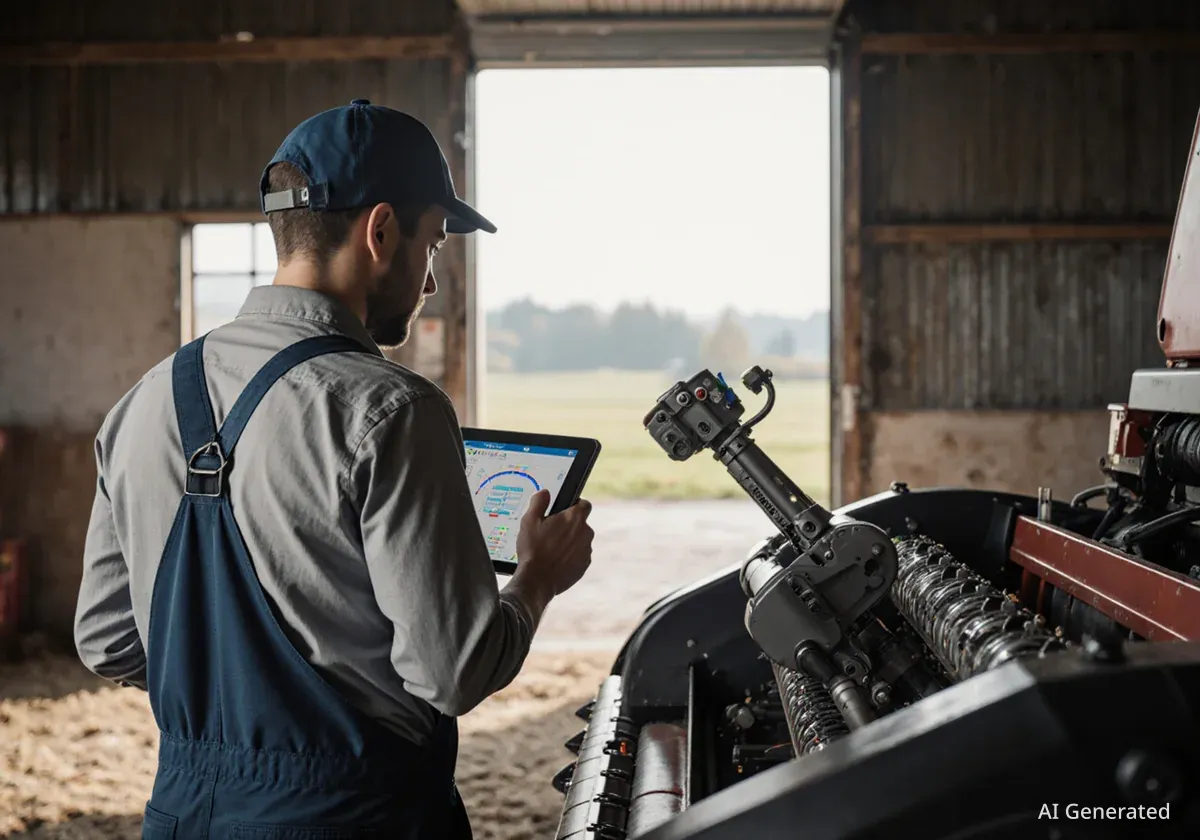

Swiss agriculture is experiencing a significant technological transformation. Modern equipment like milking robots, manure removal systems, and automated feeding units are becoming standard on farms. This shift creates a growing demand for specialized technical personnel to maintain and operate these advanced systems.
In response to a long-standing shortage of skilled workers in milking and farm technology, the HAFL (Bern University of Applied Sciences, School of Agricultural, Forest and Food Sciences) and leading milking technology manufacturers are launching new apprenticeship programs. These initiatives aim to cultivate the next generation of experts starting in summer 2026.
Key Takeaways
- Swiss farms are rapidly adopting advanced technology, including milking and feeding robots.
- This technological shift has created a significant shortage of specialized technical staff.
- Two new apprenticeships, Automatics Installer EFZ and Automatics Engineer EFZ, will launch in 2026.
- The HAFL and Swissmem are collaborating to establish these training programs.
- The new programs emphasize a broad skill set, from hygiene to cold technology.
Addressing the Skill Gap in Modern Farming
The increasing complexity of farm machinery requires a workforce with specific technical skills. Traditional agricultural training often does not cover the intricate electronics, hydraulics, and automation systems now common on farms. This has led to a noticeable gap in the labor market.
Andreas Niederhäuser, who heads the Milking Forum at HAFL, highlighted the urgency of the situation. "The topic of personnel shortage consistently came up in our meetings," he stated. "We have discussed offering apprenticeships for a long time, but the industry alone could not manage it."
Fast Fact
Automated feeding systems, in particular, are seeing a rapid increase in adoption across Swiss farms, driving the demand for specialized technicians.
Collaboration with Swissmem
A crucial partnership with Swissmem, the umbrella organization for the Swiss tech industry, provided the solution. Swissmem already offers established apprenticeships that align closely with the needs of the agricultural technology sector.
"With the Automatics Engineer, there are around 800 apprenticeship graduates per year, and with the Automatics Installer, about 350. This is interesting for us because this training, covering electronics, pneumatics, hydraulics, and automation, is very close to our activities," Niederhäuser explained.
New Apprenticeship Programs to Launch
Starting in summer 2026, two new apprenticeship roles will become available within the milking and farm technology industry:
- Automatics Installer EFZ: A three-year program focusing on installation and maintenance.
- Automatics Engineer EFZ: A four-year program for more in-depth engineering and system integration.
These programs represent a direct response to the industry's need for formally trained professionals. The goal is to provide a structured pathway for young people interested in combining technology with agriculture.
"The training will be very versatile. You need to understand how the cow functions," said Andreas Niederhäuser, emphasizing the blend of technical and biological knowledge required.
Background
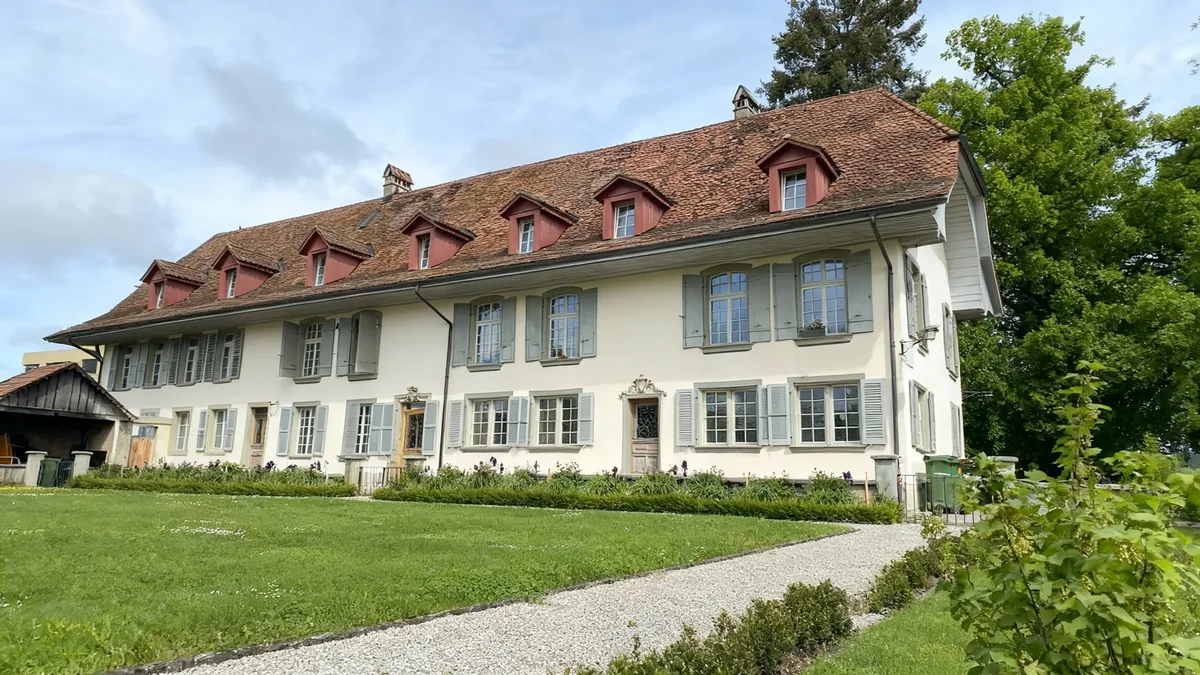
The Milking Forum, jointly run by Inforama and HAFL, serves as Switzerland's competence center for milking technology. It is responsible for training and further education of milking machine inspectors nationwide. This central role makes it an ideal location for the new apprenticeship courses.
Broad Curriculum and Industry Interest
The new apprenticeships feature a deliberately broad curriculum. Students will learn about hygiene standards, electronics, hydraulics, and even refrigeration technology. This comprehensive approach ensures graduates are well-equipped to handle the diverse challenges of modern farm environments.
Industry interest is strong. According to Niederhäuser, 34 companies in the sector have already expressed interest in offering these apprenticeships. These businesses are now actively seeking apprentices. Farms that have not previously trained apprentices must obtain an educational permit from their canton.
Who is the Program For?
The new apprenticeships are designed for individuals with a keen interest in technology and a passion for agriculture. While many current technicians are career changers or trained agricultural machinery mechanics, these new programs offer a direct entry point into the specialized field.
The apprenticeship can also be completed as an additional qualification, with cantonal professional authorities determining the scope. Furthermore, plans are underway to offer a continuing education program, a CAS (Certificate of Advanced Studies) in System Technology for Milking and Farm Technology, to further professional development.
Did You Know?
Currently, many professionals in milking technology are career changers, often coming from agricultural backgrounds or having trained as agricultural machinery mechanics.
Future Outlook for Farm Technology Careers
The demand for skilled professionals in milking and farm technology is expected to continue growing. As farms increasingly rely on automation to improve efficiency and productivity, the need for technicians who can install, maintain, and troubleshoot these systems will only intensify.
Andreas Niederhäuser is confident about the future. "The need for skilled workers in milking and farm technology will certainly not decrease," he affirmed. These new apprenticeship programs are a proactive step to ensure Swiss agriculture remains at the forefront of technological innovation, supported by a competent and well-trained workforce.
Benefits for Apprentices
- Gain specialized skills in a growing industry.
- Work with cutting-edge agricultural technology.
- Receive versatile training covering multiple technical domains.
- Secure a career in a vital sector of the Swiss economy.
This initiative not only addresses a critical labor shortage but also provides exciting new career opportunities for young people in Switzerland's evolving agricultural landscape.