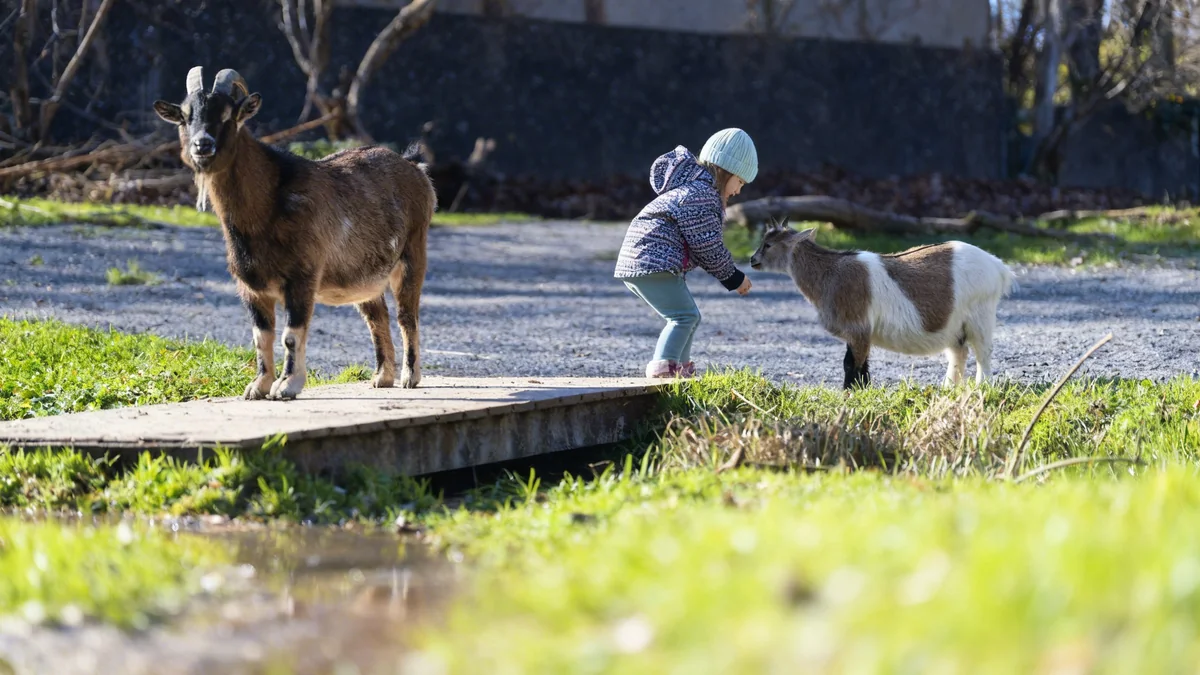



The Bern Animal Park is implementing a controversial strategy of culling older animals to create space for younger generations, a move aimed at bolstering species protection efforts. This practice, known as active species management, addresses the challenge of overpopulation and aging animal populations in zoos.
While animal parks strive to provide excellent care, leading to longer lifespans for their inhabitants, this success can inadvertently hinder breeding programs. The decision to humanely euthanize some animals has sparked debate among conservationists and animal rights advocates.
Key Takeaways
- Bern Animal Park culls older animals to support species management.
- Animals in zoos often live longer, leading to overpopulation issues.
- The practice aims to create space for younger, breeding animals.
- Animal rights groups strongly criticize the culling as unethical.
- A University of Zurich study highlights global zoo population aging.
The Challenge of Aging Zoo Populations
Animals in modern zoos and animal parks benefit from superior nutrition, veterinary care, and protected environments. These conditions allow them to live significantly longer than their counterparts in the wild. While this reflects successful animal welfare, it presents a complex problem for species management.
An aging population can reduce reproductive rates. Older animals also occupy valuable space. This space is essential for younger animals, especially those involved in crucial breeding programs designed to protect endangered species.
A recent study from the University of Zurich underscores the global nature of this issue. It reveals that zoo populations worldwide are increasingly aging. This trend poses a significant threat to the genetic diversity and long-term stability of animal species under human care.
Fact: Longer Lives in Captivity
Many zoo animals live much longer than their wild relatives due to consistent food, medical care, and protection from predators. This extended lifespan contributes to the current overpopulation challenge.
Active Species Management at Bern Animal Park
To address these challenges, the Bern Animal Park has adopted a policy of "active species management." This approach includes the "respectful culling" of older or medically compromised animals. The goal is to free up enclosures for younger animals that are part of international breeding programs.
"If there is no offspring and old animals die at the same time, eventually there will be no animals left," explains Stefan Hoby, a veterinarian at the Bern Animal Park. "We therefore rely on active species management with respectful culling."
Hoby emphasizes that these culling procedures are performed with the utmost care. They are designed to be as gentle and stress-free as possible for the animals involved. The decision-making process is often difficult for the staff.
"Sometimes it's very hard and sad. But it is part of my job," Hoby stated, reflecting on the emotional toll these decisions take on the animal care team.
Background: Species Protection Programs
Zoos often participate in international breeding programs. These programs aim to maintain genetically diverse populations of endangered species. They act as a safeguard against extinction in the wild. Space and suitable breeding pairs are critical for their success.
Ethical Concerns and Public Debate
The practice of culling animals, even for species protection, has drawn strong criticism from animal rights organizations. Tobias Sennhauser, a Bern city councilor and spokesperson for the animal rights group "Tier im Fokus" (Animal in Focus), calls the approach problematic.
"Animals should not be treated like interchangeable objects," Sennhauser argues. He believes that alternatives to culling so-called 'surplus' animals must be explored.
Sennhauser has submitted a political motion to address this issue, seeking to challenge the legal and ethical basis of the practice. The debate highlights a fundamental tension between conservation goals and individual animal welfare.
Wider Implications Across European Zoos
The situation in Bern is not unique. According to European zoo associations, thousands of animals are culled each year across the continent. These culls often occur because animals do not fit into specific breeding programs or because there is insufficient space for them.
The challenge of managing zoo populations is complex. Zoos aim to balance the welfare of individual animals with the broader mission of species conservation. This balance often leads to difficult decisions that spark public discussion and ethical dilemmas.
- The core of the debate centers on whether animals should be seen as individuals or as part of a larger population for conservation.
- Advocates for culling emphasize the long-term survival of species.
- Opponents focus on the moral implications of taking an animal's life when alternatives might exist.
Looking Forward: Finding Solutions
The ongoing discussion around animal culling in zoos underscores the need for innovative solutions. These solutions could include enhanced contraception methods, improved animal transfer networks between facilities, or even the creation of dedicated sanctuaries for older animals.
As animal populations in captivity continue to age, zoos and animal parks face increasing pressure to justify their management strategies. Public engagement and transparent communication will be crucial in navigating these complex ethical waters.
The Bern Animal Park's actions bring to light a hidden aspect of modern conservation. It forces a conversation about the responsibilities humans have towards animals in their care, particularly when balancing individual lives against the survival of a species.