


A new hydroelectric project planned by Fribourg energy company Groupe E on the Saane River is causing significant concern in the neighboring canton of Bern. Lawmakers in Bern are calling for a detailed assessment of the project's potential impact on water levels and the environment, particularly in the Seeland region.
Key Takeaways
- Groupe E's ScheM project involves a tunnel and underground power plant between Lake Schiffenen and Lake Murten.
- Bernese politicians fear negative impacts on residual water, groundwater, and drinking water supply in Seeland.
- The project could affect agriculture, reduce output from existing hydropower plants, and harm endangered fish species.
- The Bernese government has agreed to address these concerns and participate in working groups.
- An environmental impact report is not expected until early 2027.
Saane River Project Sparks Debate
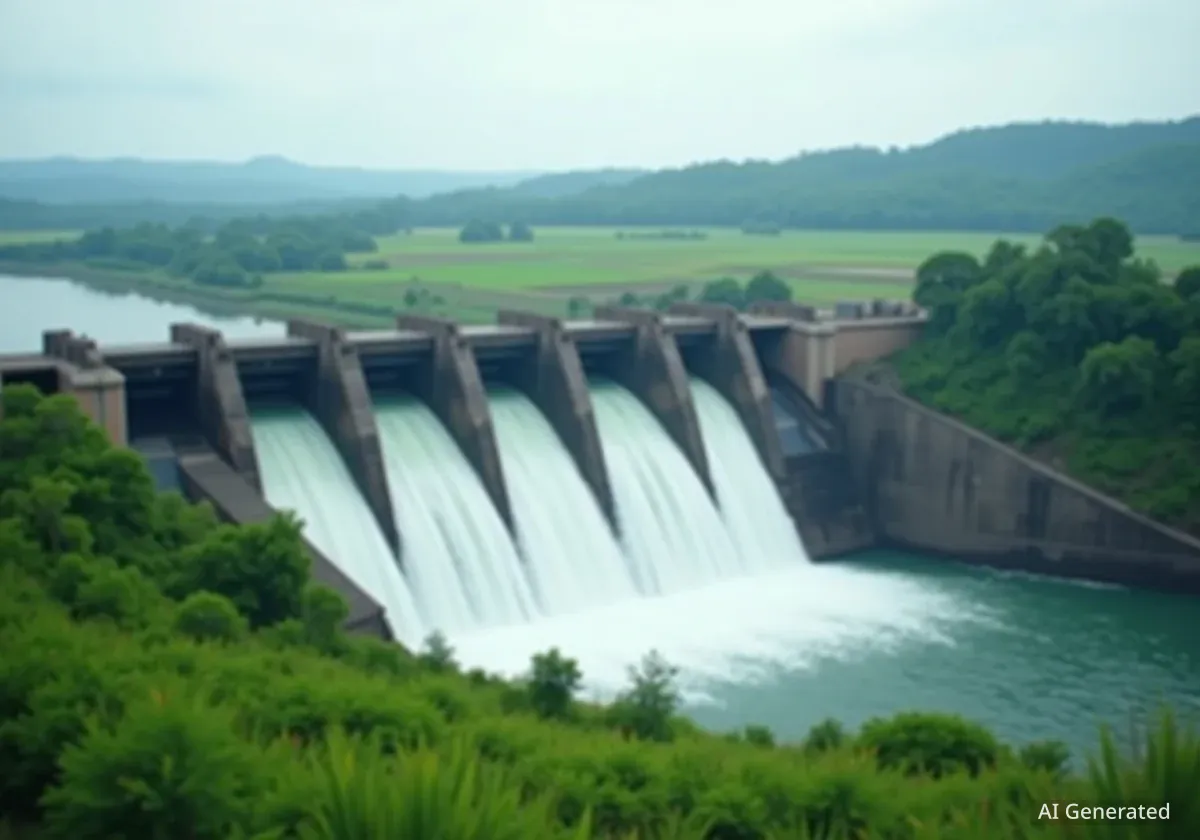
The proposed project, known as Schiffenensee-Murten (ScheM), aims to enhance hydroelectric production while also addressing ecological improvements for the Saane River. Groupe E plans to construct a tunnel connecting Lake Schiffenen and Lake Murten. Water would then be routed through an underground power plant.
This initiative stems from a federal mandate for the ecological rehabilitation of hydropower. The company states its intention to mitigate the effects of flow fluctuations from the existing Schiffenen dam, which currently impact the river downstream.
Project Scope
The ScheM project involves diverting water from Lake Schiffenen through a new tunnel to an underground power plant, before releasing it into Lake Murten. This is intended to stabilize water flow below the Schiffenen dam.
Bernese Politicians Express Strong Reservations
Members of the Grand Council from various political parties in Bern, including the EDU, SVP, Mitte, and FDP, have voiced their apprehension. They argue that the ScheM project could have substantial consequences for the canton's water resources and ecological balance.
Specifically, lawmakers are worried about the project's effect on residual water levels in the Saane, groundwater reserves, and the supply of drinking water for communities within the Seeland region. These concerns highlight the interconnected nature of regional water systems.
"The potential impact on our drinking water supply and agriculture in Seeland is a serious matter that requires thorough investigation," stated a Grand Council member, emphasizing the need for clarity.
Potential Environmental and Economic Impacts
The proposed water diversion project carries multiple risks, according to Bernese officials. One major concern is the potential for significant adverse effects on local agriculture. Farmers in the region rely on consistent water levels for irrigation and other farming activities.
Furthermore, there are fears of reduced energy yields from existing river power plants located downstream in the Bernese Seeland. This could have economic implications for the canton's energy sector. The project also poses a threat to aquatic wildlife, particularly endangered fish species that depend on the current river ecosystem.
Ecological Restoration Mandate
The ScheM project's ecological component is driven by a federal requirement to improve the environmental status of hydropower. This often involves measures to mitigate negative impacts such as 'schwall and sunk' – rapid fluctuations in water levels below dams.
Bernese Government's Response and Next Steps
The Bernese Cantonal Government has indicated its willingness to accept the initiative from the Grand Council members. In a recent statement, the government confirmed its active participation in various working groups related to the project. The primary goal is to achieve a "consensus-based project" that addresses all stakeholders' concerns.
Specialized agencies represented in these working groups are tasked with meticulously reviewing the issues raised by the motion. This collaborative approach aims to ensure that Bern's interests are fully considered during the planning and implementation phases.
- The Bernese government is actively involved in multiple working groups.
- These groups will evaluate the concerns regarding water levels, agriculture, and wildlife.
- The objective is to find a solution acceptable to all parties involved.
Timeline for Environmental Assessment
A comprehensive environmental impact report (EIR) is crucial for understanding the full scope of the ScheM project's potential effects. This report will detail the environmental consequences and propose mitigation strategies.
However, the release of this critical document is not imminent. Officials anticipate that the environmental impact report will not be available until early 2027 at the earliest. This timeline suggests a lengthy process for assessment and decision-making, allowing ample time for stakeholder input and technical review.
The delay underscores the complexity of evaluating such a large-scale water infrastructure project and its far-reaching implications for two cantons.