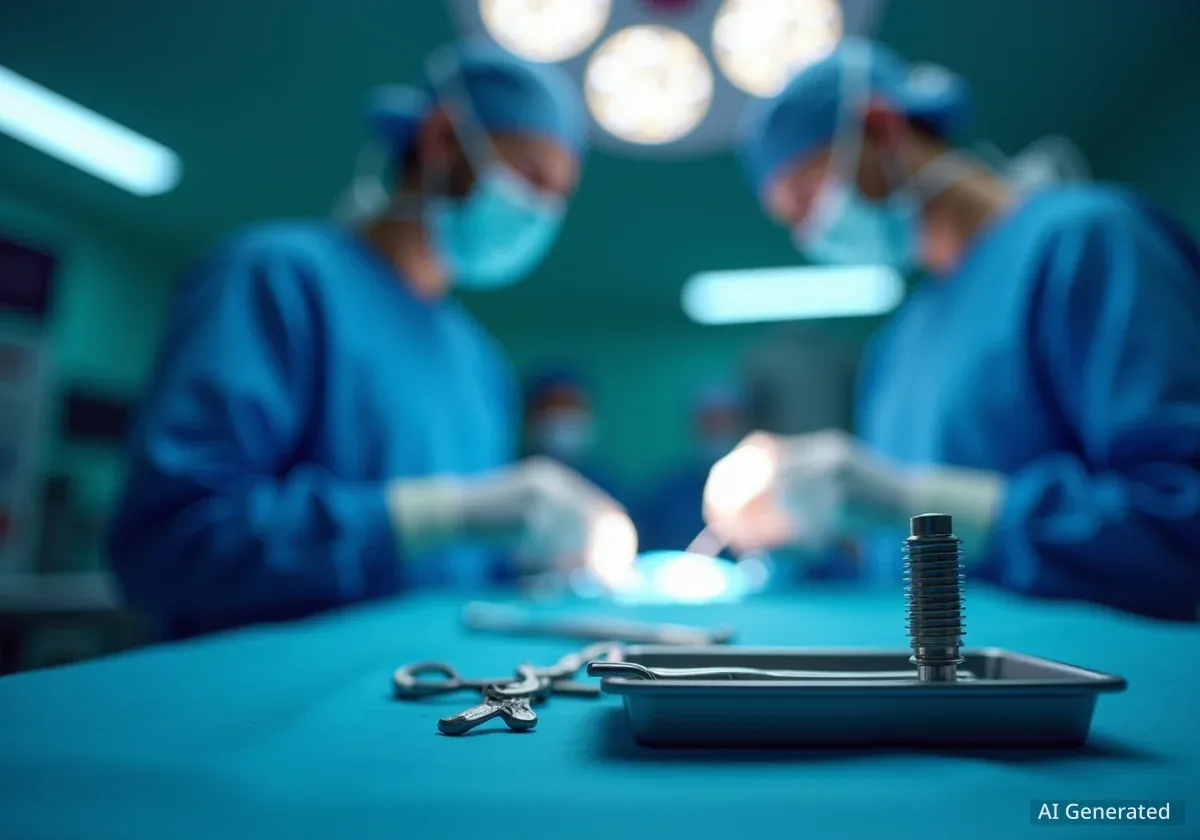



A prominent Bernese surgeon is set to stand trial on Monday, facing severe charges related to alleged faulty spinal disc implants. The public prosecutor's office accuses the surgeon of implanting underdeveloped artificial discs in seven patients and subsequently abandoning them. This case, which became public in 2018, highlights concerns over medical device safety and patient care.
Key Takeaways
- Prominent Bernese surgeon faces trial for severe bodily harm.
- Accused of implanting faulty spinal disc prostheses in seven patients.
- Implants, known as 'Cadisc-L', allegedly failed and caused spinal damage.
- The product was distributed by a now-bankrupt British firm, Ranier.
- Trial proceedings could extend beyond a week, with a verdict expected on February 9.
Allegations of Negligence and Unsuitable Devices
The core of the prosecution's case revolves around the surgeon's alleged use of the 'Cadisc-L' spinal disc implant. Prosecutors claim these artificial discs were premature and unsuitable for human implantation. The surgeon reportedly used these devices in seven patients at the Salem Hospital in Bern between 2011 and 2013.
According to the public prosecutor's indictment, all seven patients experienced significant physical damage to their spines. The implants reportedly failed, leading to severe complications. The legal proceedings aim to establish the surgeon's responsibility in these cases.
Fast Facts on the 'Cadisc-L' Implant
- Product Name: Cadisc-L spinal disc implant
- Developer Involvement: Surgeon allegedly provided scientific support for its development
- Usage Period: 2011 to 2013
- Number of Patients: Seven
- Distributor: Ranier (British company, now bankrupt)
- Market Entry: 2010, despite alleged earlier animal trial flaws
The Journey of a Controversial Implant
The 'Cadisc-L' implant's history raises serious questions. The indictment suggests that even early animal trials for the device showed deficiencies. Despite these findings, the product entered the European market in 2010. This timeline indicates a potential disregard for early warning signs regarding the implant's safety and efficacy.
Following its market introduction, dozens of patients across Europe reportedly suffered severe complications. This led to the eventual recall of the 'Cadisc-L' implant. The surgeon's involvement in the scientific development of this product, combined with its subsequent use and failure, forms a central part of the legal argument.
"The artificial spinal discs reportedly failed in all seven patients operated on by the surgeon, leaving physical damage to their spines."
Defense Rejects Accusations
The surgeon's lawyer previously denied the allegations. Two years ago, in statements to Tamedia newspapers, the defense maintained that their client acted correctly, both legally and ethically, in relation to the case. This sets the stage for a contentious trial where both sides will present their arguments and evidence.
The principle of presumption of innocence applies to the surgeon. The court will hear testimony from various parties. These include the surgeon himself, the affected patients, a chief physician from a Zurich hospital familiar with the matter, and another expert witness. Their testimonies will be crucial in understanding the technical and ethical aspects of the case.
Background on the Scandal
The 'Implantate Scandal' became public in 2018. An international team of investigative journalists, including Tamedia, brought the story to light. This collective effort exposed widespread issues with medical implants, leading to increased scrutiny of regulatory processes and physician practices.
In 2019, the surgeon unsuccessfully appealed to the Bernese High Court. He sought to prevent his patients from speaking publicly about their experiences. This earlier legal attempt underscores the sensitivity and public interest surrounding the case.
Trial Duration and Verdict Expectation
The trial at the Bern-Mittelland Regional Court is expected to be lengthy. Proceedings could extend beyond a week, indicating the complexity of the medical and legal arguments involved. The court has scheduled the verdict announcement for February 9. This date marks a key milestone for the patients seeking justice and for the medical community watching closely.
The outcome of this trial could have broader implications. It might influence future regulations on medical device approval and the responsibilities of surgeons in selecting and implanting such devices. The case also highlights the importance of patient advocacy and the role of investigative journalism in uncovering public health concerns.
Impact on Patients and Medical Practice
The patients involved in this case have endured significant physical and emotional distress. Their testimonies will be central to the court's understanding of the impact of the allegedly faulty implants. This trial serves as a reminder of the critical trust placed in medical professionals and the potential consequences when that trust is compromised.
Experts will analyze the scientific development, testing, and approval process of the 'Cadisc-L' implant. This scrutiny aims to determine if proper protocols were followed and if any negligence contributed to patient harm. The trial's findings could lead to stricter guidelines for medical device development and implementation.
- Patient testimonies will describe personal suffering and physical damage.
- Expert witnesses will detail technical aspects of the implant and its failures.
- The trial outcome may influence future medical device regulations.
This legal battle underscores the need for transparency and accountability in the medical industry. Patients rely on robust testing and ethical practices to ensure their safety. The Bern-Mittelland Regional Court will now weigh the evidence to deliver a just resolution.