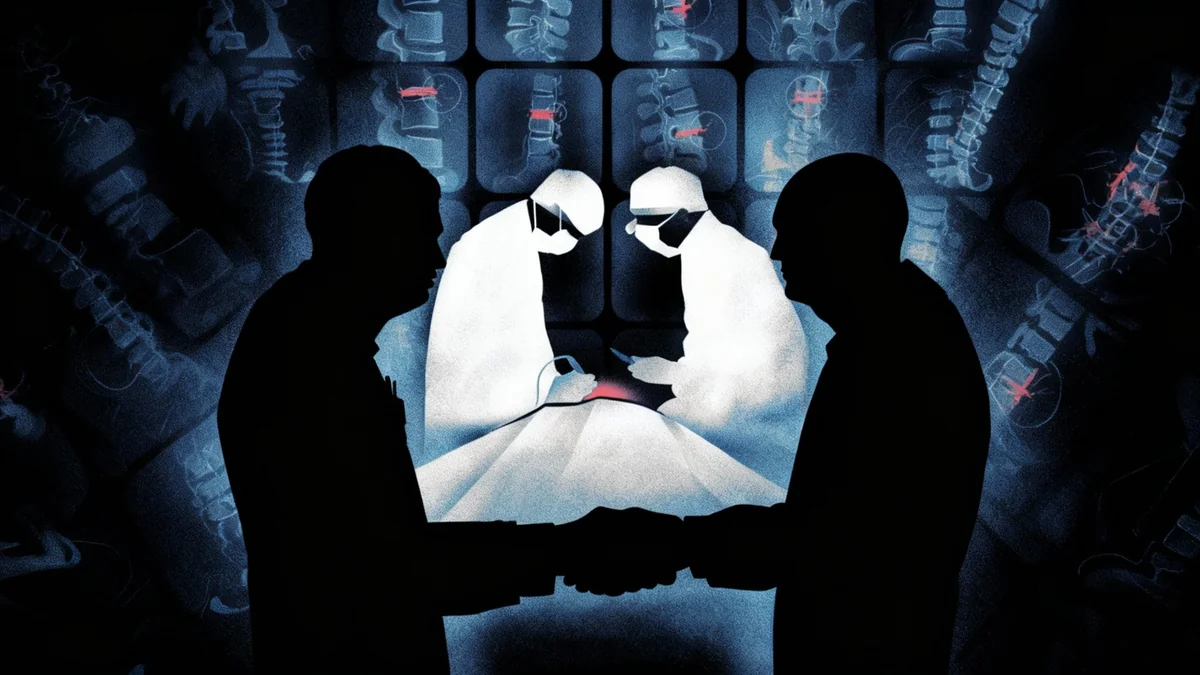



A Bernese surgeon will stand trial in January on charges of severe bodily harm. Prosecutors allege the surgeon implanted underdeveloped artificial spinal discs in multiple patients, leading to significant physical damage.
Key Takeaways
- A Bernese surgeon faces trial for severe bodily harm in January.
- The prosecution claims underdeveloped spinal implants caused damage to seven patients.
- The implants, named Cadisc-L, were used between 2011 and 2013.
- Animal trials reportedly showed defects before the product launched.
- The trial is set to begin on January 12, with a verdict expected by February 9.
Spinal Implant Scandal Reaches Court
The trial against the Bernese surgeon is scheduled to begin on January 12 before the Regional Court Bern-Mittelland. This legal proceeding follows a lengthy investigation into the use of the Cadisc-L spinal implant.
According to the public prosecutor, the artificial spinal discs failed in all seven patients operated on by the surgeon. These failures allegedly resulted in lasting physical harm to the patients' spines.
Case Details
The surgeon reportedly accompanied the scientific development of the Cadisc-L spinal implant. He then proceeded to implant the product into patients at Salem Hospital in Bern between 2011 and 2013.
Allegations of Undeveloped Technology
The core of the prosecution's case revolves around the alleged immaturity of the Cadisc-L implant. It suggests the product was not adequately tested or developed before being used in human patients.
A major point of concern is that animal trials, conducted prior to the product's market release, reportedly indicated defects. Despite these findings, the Cadisc-L implant launched commercially in 2010.
The public prosecutor states the artificial discs in question failed in all seven patients. This caused physical damage to their spinal columns.
International Complications
Beyond Switzerland, the Cadisc-L implant has been linked to severe complications across Europe. Dozens of patients in various countries reportedly experienced problems after receiving the device.
The British company, Ranier, which distributed the prosthesis, has since declared bankruptcy. This adds another layer of complexity to the international aspect of the case.
Surgeon's Defense and Legal Stance
The surgeon's lawyer has rejected all accusations. They maintain their client acted correctly, both legally and ethically, regarding the case.
For the surgeon, the presumption of innocence applies throughout the trial. The defense is expected to present arguments challenging the prosecution's claims about the implant's development and the surgeon's conduct.
Background of the Case
The allegations against the surgeon first became public in 2018. An international investigative team, including members from Tamedia, brought the story to light. Their findings initiated the formal legal process now culminating in this trial.
The Path to a Verdict
The trial is scheduled for several weeks in January. Legal experts anticipate a complex presentation of medical evidence, scientific data, and patient testimonies.
The Regional Court Bern-Mittelland will hear arguments from both the prosecution and the defense. A verdict announcement is currently scheduled for February 9.
- The court will examine scientific reports on the implant.
- Patient testimonies will be a critical component of the proceedings.
- The role of the surgeon in the implant's development will be scrutinized.
This case highlights the critical importance of rigorous testing and ethical considerations in medical device development and application. The outcome will be closely watched by the medical community and patient advocacy groups.