

Bern's city administration is actively engaging its residents, including children, in shaping the future of the city's vital Allmend areas. These large, open spaces, historically used for communal grazing, now face increasing pressure from diverse interests and development proposals. The city aims to balance these competing demands through a comprehensive public participation process.
Key Takeaways
- Bern is seeking broad public input, including from children, on the future design of the Allmend areas.
- The Allmends, once communal pastures, are now crucial urban recreational and green spaces.
- Various stakeholders, including sports clubs and developers, are proposing new uses for these areas.
- The city's goal is to find a compromise that accommodates diverse needs while preserving the Allmends' public character.
- Initial discussions suggest that some interests, like professional sports training grounds, could be shared with amateur clubs.
Children Share Visions for Bern's Green Spaces
Children in Bern are actively participating in the planning for the city's Allmend areas. A recent workshop invited children aged six to thirteen to share their ideas for these important urban green spaces. Their imaginative proposals highlight a desire for playful and engaging environments.
Amelia, aged eight, built a colorful house from Lego. "This is my wish for the Bernese Allmends: a climbing house with a slide," she explained. Next to her, nine-year-old Santiago drew sports fields. "These are baseball and soccer fields, which already exist. But a swimming pool would be great too," he said with a smile.
Did You Know?
Historically, 'Allmends' were common lands in Switzerland, often pastures or woodlands, collectively managed for the community's sustenance. Today, they represent vital undeveloped or partially developed areas near cities, shifting their purpose from food production to recreation and leisure.
The Allmend: A Hub for Diverse Activities
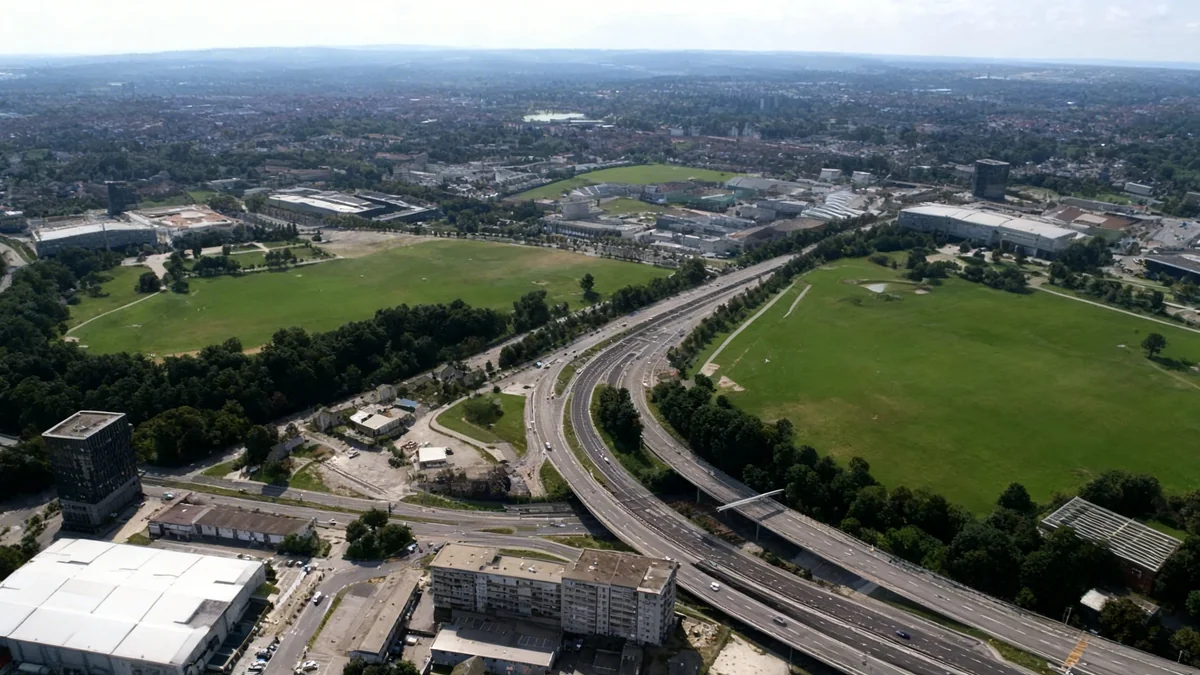
The Bernese Allmends, specifically the Grosse and Kleine Allmend in the city's northeast, are popular recreational areas. They serve as a meeting point for various activities and groups. Football clubs train alongside rugby teams, dog walkers cross paths with paragliders, and children enjoy pumptracks while traditional Hornussen clubs practice their sport.
The areas were divided during the construction of the motorway in the 1970s. Current plans related to the Wankdorf motorway expansion aim to reconnect these two Allmend sections, potentially improving accessibility and usability for residents.
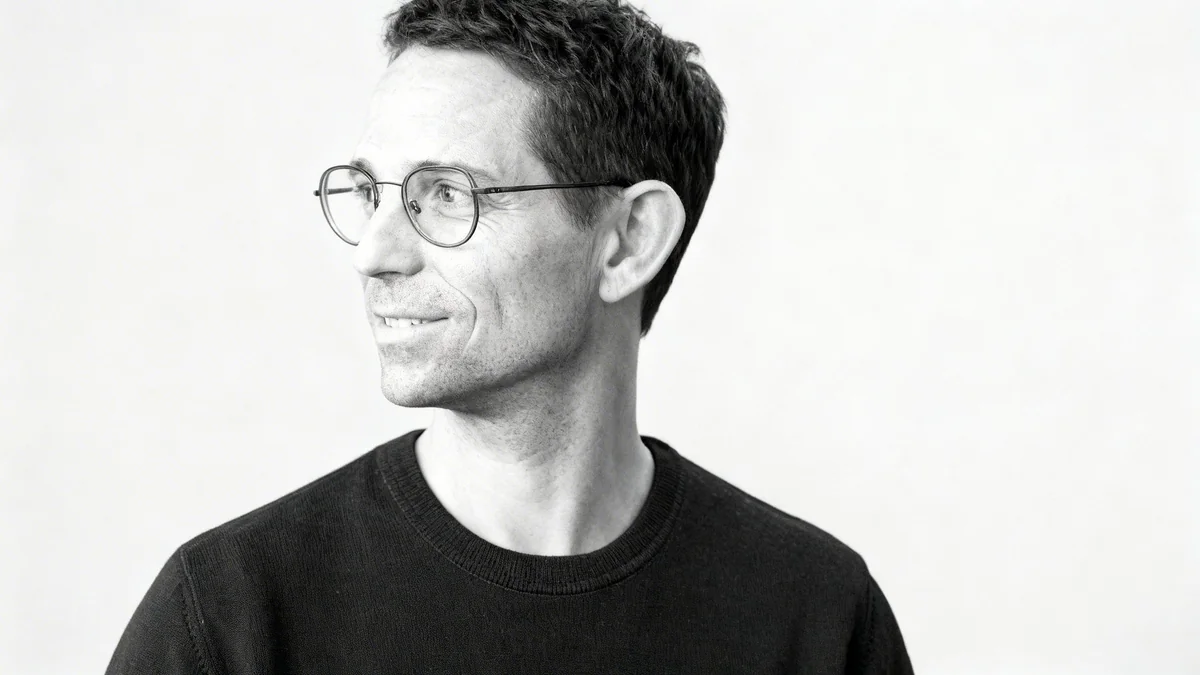
"Today, it's no longer about providing food, but about leisure and recreation," says Daniel Baur, a lecturer in landscape architecture at the Bern University of Applied Sciences.
Long-Standing Community Use
The Allmends have a long history of public use beyond daily recreation. In the 20th century, they became a popular exhibition ground. Events like the HYSPA exhibition in 1961 even featured a gondola lift over the Allmend. Circus Knie regularly sets up its tents there, and in June 2004, approximately 70,000 people gathered to see Pope John Paul II.
Urban Pressure on Green Spaces
The Bernese Allmends are under increasing pressure from various development proposals. The Young Boys football club seeks additional training pitches on the Grosse Allmend. Plans for the Wankdorf motorway junction include clearing part of the Allmend hill's small forest. Additionally, UBS, an investor in the Wankdorf Center, proposes an underground car park beneath the Grosse Allmend.
Navigating Competing Interests
The Bern city government is undertaking a structured process to address these competing demands. They are gathering input from sports clubs, neighborhood organizations, and the general public to develop a future vision for these extensive open spaces. The goal is to create a plan that balances diverse needs.
Noémie Augustin, project manager for Allmend reorganization at Stadtgrün Bern, acknowledges the challenges. "We have the chance to look at the different needs and negotiate a compromise," she stated. She emphasized that not all interests can be fully satisfied, but many can be better reconciled than initially thought.
Rethinking Exclusive Use
One example of this reconciliation is the Young Boys football club's request for additional artificial turf pitches. Initially, it was assumed these pitches would be for exclusive club use. However, discussions with the club and residents revealed that these training grounds could also be accessible to amateur clubs, broadening their community benefit.
Allmend Across Switzerland
The pressure on Allmends is not unique to Bern; it is a nationwide challenge. These open spaces are considered invaluable. They allow for urban densification while providing essential areas for public encounters and recreation.
The Value of Public Spaces
Daniel Baur from the Bern University of Applied Sciences stresses the importance of Allmends as communal spaces. "Allmends belong to everyone. This also means that their use must be negotiated," he explained. He advocates for giving equal weight to all interests, ensuring that a professional football club's needs do not outweigh those of a dog walker.
Regarding Santiago's wish for a swimming pool, Noémie Augustin explained the city's approach. "Our task is to abstract the core from these wishes. In this case, it is probably the desire for cooling off on the Allmend." This suggests the city will look for solutions that address the underlying needs rather than simply fulfilling every specific request.
- The public participation process is crucial for democratic urban planning.
- Balancing professional sports needs with general public access is a key challenge.
- The city prioritizes finding common ground among diverse user groups.
The future of Bern's Allmends will emerge from these negotiations, aiming to preserve their value as open, accessible spaces for all residents.