Mona Moazami, an Iranian woman living in Switzerland, has shared her ongoing distress and fear for her family in Iran. Her relatives are hiding following brutal crackdowns by security forces during recent protests. Moazami's account highlights the severe human cost of the unrest and the psychological toll on those with loved ones still in the country.
Key Takeaways
- Mona Moazami's family is in hiding in rural Iran after security forces searched their home.
- Internet restrictions made communication impossible for two weeks, causing intense psychological distress.
- Moazami reports that many close contacts have been killed, with unofficial death tolls far exceeding official figures.
- She believes external intervention is necessary for the regime to fall, despite the horror of suggesting war.
- Switzerland has paused deportations of rejected Iranian asylum seekers, but Moazami's own asylum was granted years ago.
A Mother's Fear From Afar
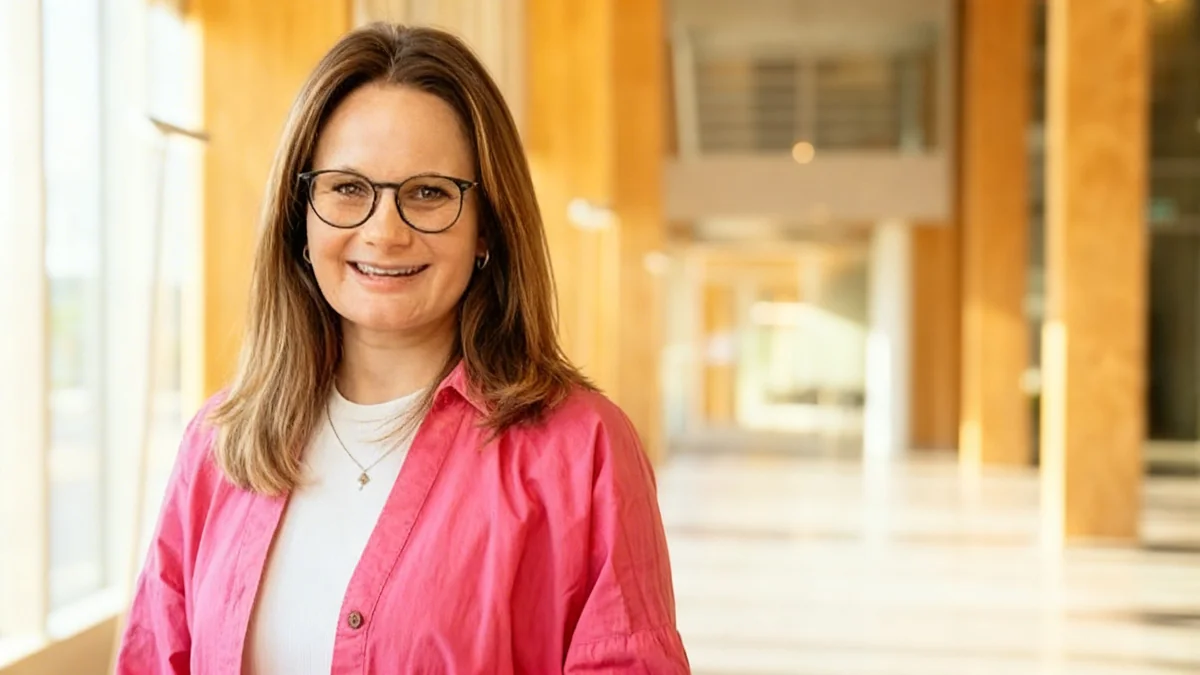
Mona Moazami, 37, lives in Ostermundigen, Switzerland. She fled Tehran six years ago with her family. Despite her safety in Switzerland, her thoughts remain with her parents and other relatives in Iran. The recent protests and the regime's violent response have left her deeply troubled.
Moazami described her feelings as "injured" and "broken." She only recently re-established contact with her family after a two-week communication blackout. This period of silence was agonizing, marked by constant worry about their safety.
Fact: Iranian Diaspora in Switzerland
Approximately 7,500 people with Iranian passports reside in Switzerland, many of whom closely follow events in their home country.
"Every day began with the question: Who survived the night?" Moazami stated. "But there was no answer. You could not reach anyone you loved. No message, no call, nothing. You checked your phone every minute for a sign of life. Instead, there was silence. It is psychological torture."
The Brutality of the Crackdown
The protests, which swept through Iranian cities, were met with extreme force. Moazami recounted details from her aunt about Revolutionary Guards and armed militias operating with brutality in their residential areas. Her parents, along with many neighbors, hid protestors.
Security forces subsequently searched countless apartments, including her parents' home. Fearing for their lives, her parents fled to a small house in the rural northern part of the country. Their current location is unknown to the authorities.
Background: Mahsa Amini Protests
Widespread protests also occurred in autumn 2022 following the death of Mahsa Amini. During that time, Mona Moazami was seen chanting "Woman, Life, Freedom" outside the Iranian embassy in Bern, advocating for change in her homeland.
Internet access in Iran was severely restricted, making communication difficult. While some services like WhatsApp and Instagram are now accessible via VPNs, the connection remains slow and limited. This digital isolation compounded the anxiety for Iranians abroad.
Devastating Human Toll
Moazami confirmed that the situation on the ground was far more brutal than initial reports suggested. Her sister informed her that two close friends and a cousin were killed. The official Iranian government figure for protest-related deaths stands at 3,117. However, various NGOs and media outlets, citing medical staff and cemetery workers, reported over 30,000 deaths last week.
"I have spoken with many people in Iran now," Moazami explained. "Everyone has lost someone. They say 35,000 have fallen. It is likely many more."
She added that many families are denied the bodies of their loved ones. The regime reportedly holds the deceased to blame external forces, such as the United States, if an attack occurs.
The Call for External Help
Despite the immense losses, Moazami insists that the spirit of protest remains strong. "Yes, everyone is ready to protest again," she stated. However, she believes the people now realize that the current regime will not fall without outside intervention.
When asked about the form this intervention could take, Moazami expressed a painful truth. "War," she said, after a long pause. "It is horrible to say it, but that is our last chance. People have nothing left to lose."
Switzerland's Diplomatic Stance
Switzerland maintains a delicate balance in its relationship with Iran. Since the storming of the US embassy in Tehran in 1979, Switzerland has represented Washington's interests in Iran. It also facilitates contact between Canada and Iran.
In response to the recent events, the Swiss State Secretariat for Migration has temporarily stopped deportations of rejected Iranian asylum seekers. This administrative decision does not affect Moazami, whose asylum application was approved years ago.
Life in Exile: A Constant Struggle
Moazami and her husband left a stable life in Iran, including good jobs, savings, and a car. Her husband, a TV producer, faced threats of imprisonment from the Revolutionary Guards for refusing to follow instructions. Their escape was the only option, forcing them to start from scratch.
Moazami is currently training to be a childcare worker, as is her husband. Their son was born in Switzerland two years ago, and their daughter attends third grade. While they live in safety, the emotional burden is heavy.
"My body is here, but my head is not," she admitted. "At work, I can hardly concentrate. Normally, I prepare very carefully for school because German is not my native language. Grammar, genitive, dative – but now everything is mixed up. Today I got on the wrong train."
She considered abandoning her training, but her husband encouraged her to continue, emphasizing that quitting would not improve the situation in Iran. Moazami hopes to one day return to Tehran, but her children see Switzerland as their true home. Her daughter, who speaks fluent Bernese German, cried at the suggestion of visiting her grandparents in Iran, saying, "I do not want to go there!"
Quote: On Neutrality
"I know Switzerland is neutral. But neutrality does not mean indifference. The minimum is a gesture that Switzerland morally stands with the people who risk and lose their lives for democracy, human rights, and equality."
Moazami misses her parents, sister, and friends most. Her daily strength comes from a single thought: "This night ends. The morning comes."