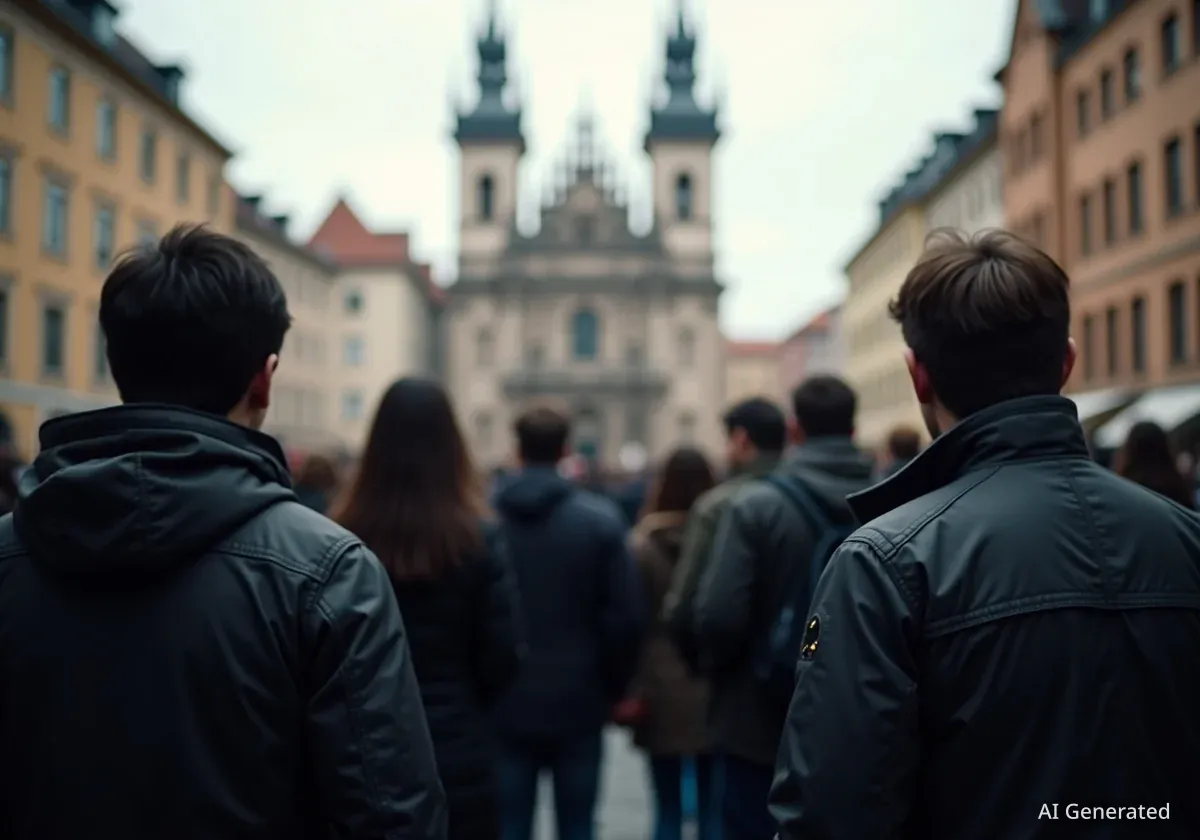
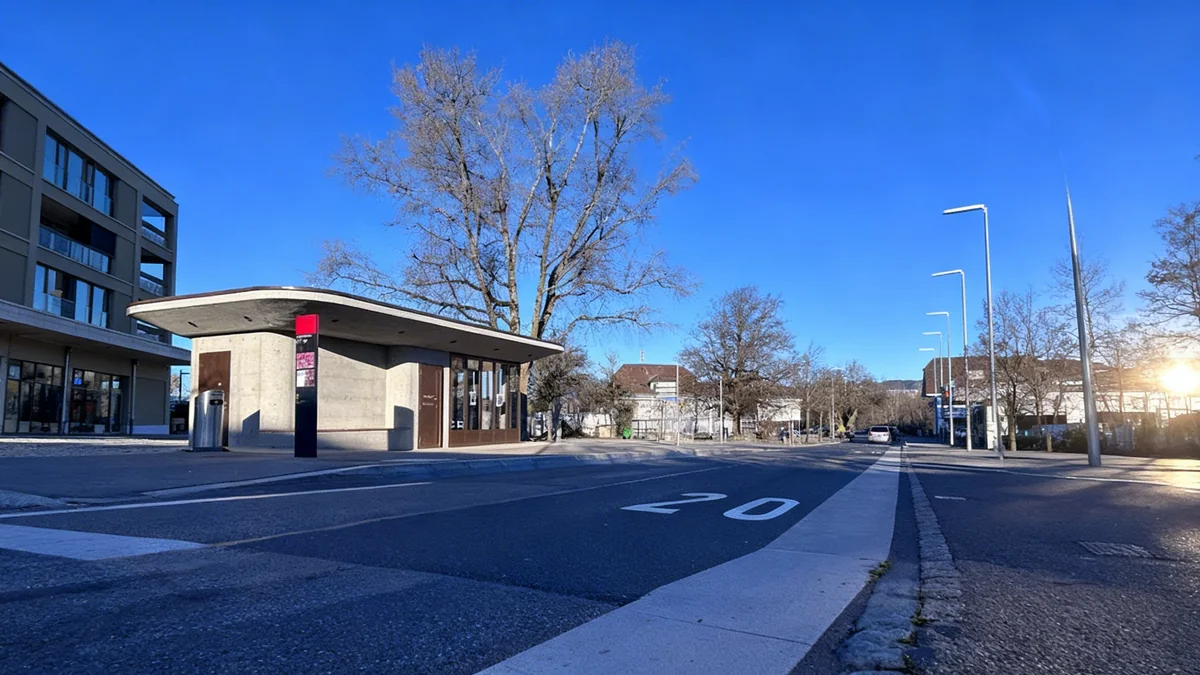



Bern, often perceived as a tranquil city, exhibits a distinctive political and social character that sets it apart within Switzerland. While it presents an image of placid charm with its sandstone facades, a closer look reveals a community deeply rooted in a sense of collective care and a pronounced left-leaning political stance. This identity shapes everything from local governance to its residents' expectations.
Key Takeaways
- Bern maintains a strong sense of community and collective responsibility.
- The city's political landscape is overwhelmingly dominated by left-green ideologies.
- Bernese voters often deviate significantly from national voting patterns, especially on economic issues.
- Residents prioritize local comfort and social solidarity over external influences.
The Enduring Character of Bern
Bern's identity is often described as that of a 'nursing city,' where residents expect and receive a high degree of care and provision. This sense of security is deeply ingrained. Even during public demonstrations, such as a pro-Palestinian protest in October 2025 that escalated into unrest, participants reportedly expressed surprise when police did not meet requests for comfort items like blankets.
This expectation of provision extends into public policy. The city's Green Security Director, a former mayor, responded to the protest by suggesting more surveillance of potential troublemakers. He described this as a 'liberal' approach, highlighting the unique Bernese interpretation of political terms.
Did You Know?
An ancient inscription on Bernese water carafes reads: "Glas verheit, Bärn besteit" (Glass breaks, Bern remains), reflecting the city's enduring and unchanging character.
The city's insular nature is a common observation. Those who leave Bern often hear the question, "Ändu, wenn chunnsch wider hei?" (When are you coming home?). This sentiment underscores a strong attachment to the city and a subtle resistance to external change. Bernese life revolves around local sports teams like YB and SCB, annual events like the Zibelemärit (Onion Market), and local cultural figures.
Political Uniqueness and Left-Green Dominance
Bern stands out politically. It is the only Swiss municipality, aside from the tiny 34-person village of Schelten, that accepted the inheritance tax initiative. This initiative was rejected by 78.3 percent of voters nationally, but Bern approved it with 50.75 percent in favor. This stark contrast highlights Bern's unique political leanings.
"Bern is not like the 'Gelateria di Berna' with many ice cream flavors. Bern offers only Red-Green."
The city's political landscape is overwhelmingly dominated by left-green parties. The most centrist member of the city government belongs to the Green Liberal Party. This 'one-and-a-half-color' political environment has been in place for years. It is not a result of political coercion, but rather a reflection of the residents' preferences. The local population actively votes for this continuous left-leaning majority.
Background on Swiss Initiatives
Switzerland's direct democracy allows citizens to propose and vote on initiatives, which can amend the constitution. The inheritance tax initiative aimed to increase taxes on large inheritances to fund social security, but it failed nationally due to broad opposition.
This political homogeneity fosters a strong sense of shared values. Residents often work for the state, creating a community where neighbors and friends are colleagues. This shared professional and social fabric reinforces the city's collective identity and its left-leaning political direction.
A City of Shared Values and Comfort
Bern is sometimes likened to a shared flat (WG), where collective consensus often dictates decisions. While minor disagreements might arise, such as who left organic-vegan yogurt to spoil in the fridge, the fundamental agreement on core values remains strong. Discussions often revolve around how to further promote social good, like whether to establish municipal distribution points for free yogurts.
- Community Focus: Strong emphasis on local community and shared well-being.
- Social Solidarity: A deep belief in collective responsibility and support systems.
- Environmental Consciousness: High priority given to ecological and sustainable practices.
- Local Pride: Fierce loyalty to local culture, sports, and traditions.
The unofficial anthem of Bern, "Bälpmoos, schpick mi furt vo hie" (Belpmoos, fly me away from here), reflects a playful longing for adventure, yet a deep contentment with the comfort and stability of Bernese life. Residents dream big but prefer to cultivate their small, immediate happiness.
This contentment means that while Bernese residents may contemplate grand ideas of social justice—like redistributing wealth from the affluent to create a more equitable and sustainable world—they rarely act on impulses to leave their comfortable environment. The city truly is a place where giving is seen as less blessed than receiving, embodying a unique form of communal living.
The city's distinct character, from its political leanings to its social fabric, makes Bern a fascinating case study in urban identity. It demonstrates how a community can thrive by prioritizing a strong sense of belonging, collective care, and a consistent political vision, even if it means diverging from national trends.