

The Green Party in the Swiss Federal Assembly is preparing for a significant transition in its parliamentary leadership. Key figures Aline Trede and Balthasar Glättli may soon depart their federal roles to pursue positions in cantonal and city governments. This potential shift follows recent political successes for the party.
Key Takeaways
- Aline Trede and Balthasar Glättli, prominent Green Party members, may leave the Federal Assembly.
- Trede is a candidate for the Bern cantonal government; Glättli aims for the Zurich city government.
- Their departures would create a vacuum of experienced leadership within the Green Party's parliamentary group.
- The party believes it has a strong base of experienced members and capable successors ready to step in.
- Focus is on quickly integrating new National Council members for future political challenges.
Potential Departures of Key Green Figures
Aline Trede, 42, currently serves as the Green Party's faction leader. She is seeking to secure a seat in the Bern cantonal government by the end of March, aiming to replace Christine Häsler, 62, who is retiring. Trede has a history in the National Council, serving from 2013 to 2015 and continuously since 2018.
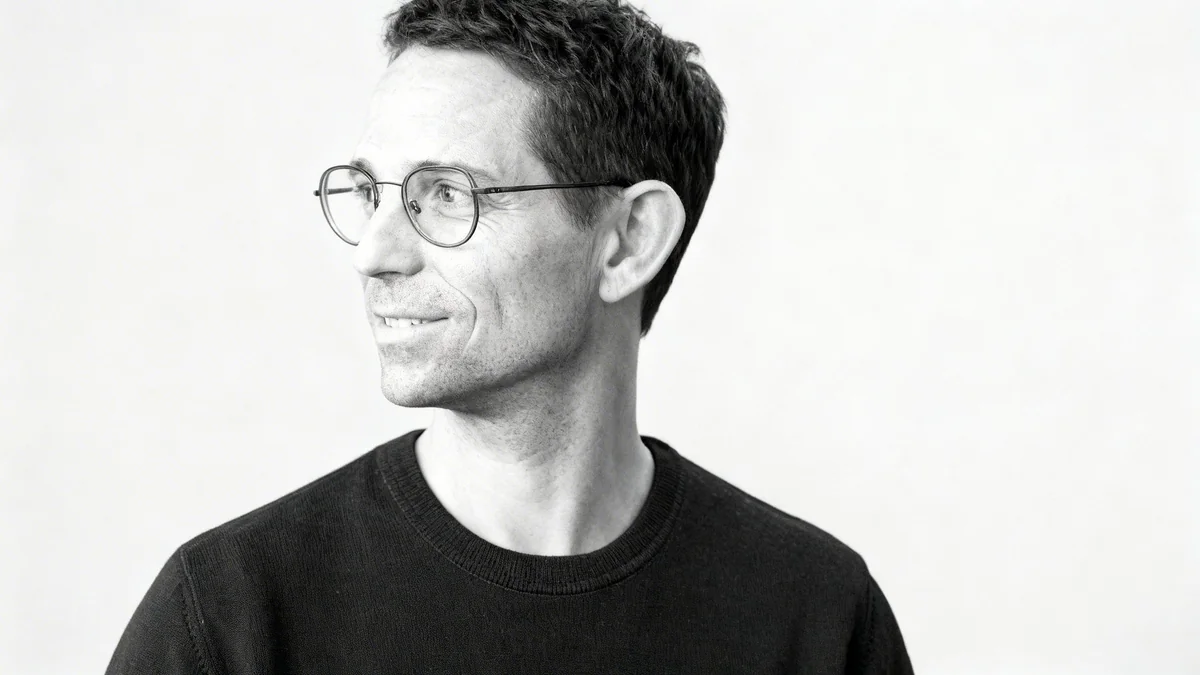
Balthasar Glättli, 54, another long-standing member, could join the Zurich city government even earlier. He has been a member of the National Council for over 14 years. Glättli has held significant roles, including faction and party leader. His potential move to Zurich is driven by a desire to implement climate policies directly at the municipal level.
Balthasar Glättli stated, "In Bern, we set goals; in Zurich, I can implement them – for example, with the expansion of solar energy."
These potential departures highlight a broader trend. Even party president Lisa Mazzone, 38, is no longer in parliament. This raises questions about the party's ability to steer its agenda effectively within the federal legislature.
Quick Fact
The Green Party's parliamentary group has many members with at least six years of experience, providing a solid foundation for new leadership.
Leadership Transition and Succession Plans
Despite the looming changes, faction leader Trede expresses confidence in the party's readiness. She points to a robust internal structure. The party has four vice-presidents within the faction, all possessing considerable experience. Additionally, long-serving cantonal presidents contribute to the leadership pool.
The majority of the Green Party's parliamentary group members have been in office for at least six years. This experience base is crucial for maintaining continuity. Trede also confirmed that preparations for the 2027 election campaign are already underway.
Aline Trede affirmed, "We are well-positioned. We have four vice-presidents in the faction who already have a lot of experience, and long-standing cantonal presidents."
A key focus for the party is ensuring that any new National Council members integrate quickly. They must rapidly become proficient in parliamentary work. Placing them in the correct committees is also vital. This strategy aims to prepare them for the 2027 elections with motivation and effectiveness.
Background Information
The Green Party achieved significant electoral gains in 2019, bringing many new faces into the National Council. These members have now accumulated nearly six years of experience, forming a new generation of seasoned politicians.
New Faces on the Horizon
The Green Party has already seen some transitions. In early December 2025, Rudi Berli, 63, joined the faction. This followed Nicolas Walder, 59, being elected to the Geneva government. Further changes are expected by the end of April 2026, when Felix Wettstein, 68, will step down. Laura Gantenbein, 36, a Solothurn cantonal councilor, is set to succeed him.
For Balthasar Glättli, his potential successor in Bern is Anna-Béatrice Schmaltz, 33. Glättli notes that the influx of new Green members in 2019 means many now have significant experience. He suggests that established figures sometimes 'stand in the way' of this new generation.
Potential Successors for Aline Trede
- Natalie Imboden (55): She was the first in line to succeed Trede and briefly served in the National Council in 2022. However, Imboden has indicated she does not seek a return to the Federal Assembly.
- Andrea de Meuron (53): As a Grand Councillor from Thun, de Meuron could potentially move to Bern. She is also a candidate for Mayor of Thun in the autumn. If the opportunity arises, she would seriously consider it, believing it would benefit Thun.
- Magdalena Erni (23): If both Imboden and de Meuron decline, Erni, the former president of the Young Greens, is next in line. She gained national recognition for her advocacy of the Environmental Responsibility Initiative.
This period marks a crucial phase for the Green Party as it navigates the departure of experienced leaders. It also presents an opportunity to integrate new talent and solidify its future political trajectory.
The party's ability to manage these transitions will be key to its continued influence in Swiss federal politics.