
Beat Moser, the long-serving municipal president of Münsingen, is stepping down at the end of the year after twelve years in office. He reflects on his tenure, highlighting significant achievements in traffic management, urban development, and community engagement during a recent interview.
Key Takeaways
- Beat Moser concludes twelve years as Münsingen's municipal president.
- Major achievements include new traffic solutions and village square renovation.
- Investments in schools and district heating have prepared Münsingen for future growth.
- Moser emphasizes the importance of community involvement and communication.
- Challenges remain in healthcare and inter-municipal collaboration.
A Fulfilling Political Career
Beat Moser describes his twelve years as municipal president as one of the most fascinating and rewarding periods of his professional life. He emphasizes the importance of direct engagement with the community. Building consensus among the parliament, various commissions, and the general population proved essential for advancing local projects.
During his time, Moser focused on involving residents in decision-making processes. This approach helped the municipality move forward on key initiatives. He believes that strong communication is vital for effective governance.
"The contact, exchange, and connection with the population are what make this job so special. You must bring the parliament, the commissions, and the public along to develop something further."
Overcoming Challenges and Building Consensus
Moser recalls few instances where his decisions diverged from earlier statements. He acknowledges that some ideas did not gain majority support. Despite these occasional hurdles, the municipality faced few referendums against its resolutions.
Referendum on Jungfrauweg Development
One notable referendum involved a proposed building project on Jungfrauweg. The community rejected plans for higher construction, indicating a misjudgment of public sentiment at the time. This event served as a learning experience for the local administration.
He stresses that his administration never made promises it could not keep. This commitment to honesty fostered trust within the community. The focus remained on delivering tangible improvements for Münsingen residents.
Transforming Münsingen's Infrastructure
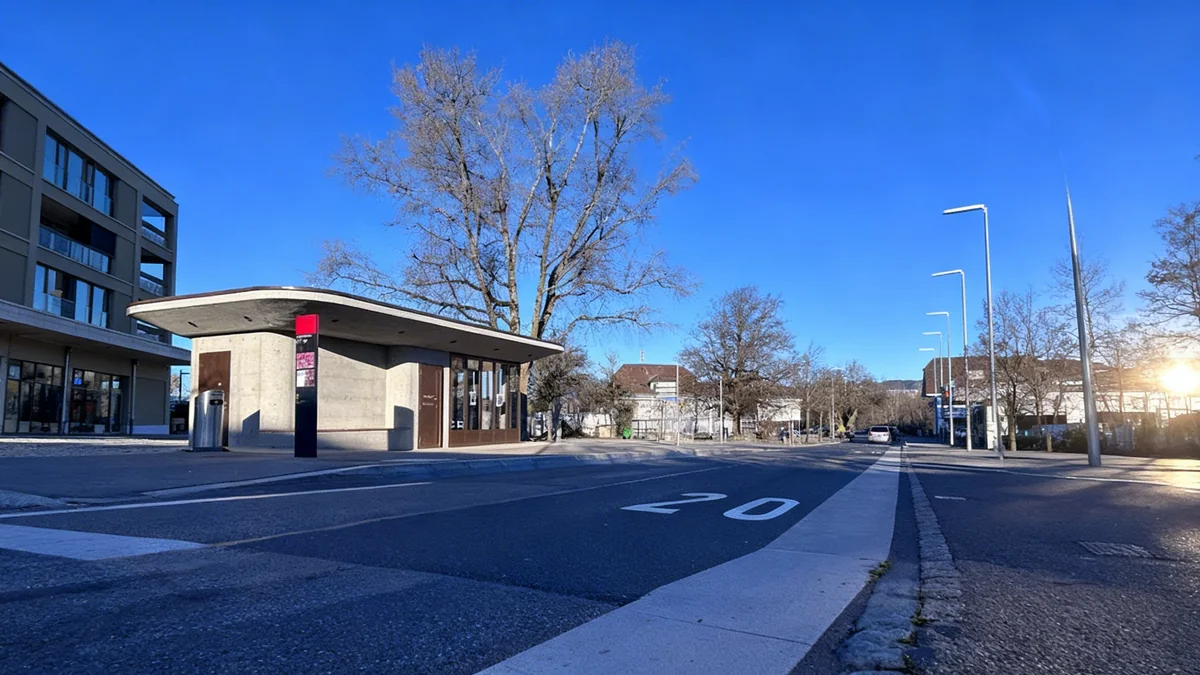
Moser points to significant advancements in the town's infrastructure as key successes of his tenure. He proudly states that the former "traffic hell" of Münsingen no longer exists. A new traffic solution, including a relief road, has dramatically improved flow through the village center.
The village square underwent a complete renovation, enhancing its appeal and functionality. These projects were complex and required sustained effort over many years. However, the positive impact on daily life for residents is clear.
Investment in Public Facilities
Beyond traffic and urban spaces, Moser's administration invested heavily in education. School facilities received upgrades and expansions. The district heating network also saw significant development, laying a strong foundation for Münsingen's future growth and sustainability.
Cultural initiatives also thrived, with the Schlossgut area receiving a notable revitalization. These improvements aimed to enhance the quality of life and cultural offerings for everyone in Münsingen.
The Logic Behind Tempo 30
A distinctive feature of Münsingen's new traffic system is the Tempo 30 speed limit on the relief road. This decision was not arbitrary. Moser explains that the primary reason for this lower speed limit was to minimize the consumption of agricultural land.
Allowing trucks to travel at 50 km/h would have required a larger curve radius, leading to more land being developed. This was a trade-off the administration chose not to make. The slower speed also enabled more parking spaces in the village center, a benefit appreciated by local businesses.
Traffic Flow Improvements
Despite the lower speed, Moser notes that traffic now flows more smoothly. There are fewer red lights, and commuters often reach their destinations faster. This counterintuitive outcome demonstrates the effectiveness of the integrated traffic plan.
Münsingen: A Compact Village with City Amenities
Moser expresses deep affection for Münsingen, describing it as a place where "everything is available." He highlights the stunning local recreation areas, noting that no resident lives more than a kilometer from green spaces. This access to nature contributes to the high quality of life.
He characterizes Münsingen as a compact village with the amenities of a small city, maintaining a strong community spirit. This unique blend makes it an attractive place to live and work.
- Abundant green spaces for recreation.
- Compact layout fosters community.
- Services and facilities comparable to a small city.
- Strong emphasis on local identity.
Unfinished Business and Future Hopes
While proud of his achievements, Moser acknowledges areas where progress has been slower than anticipated. The closure of the local hospital presented a significant challenge. Finding partners for a new health center has proven difficult, though he remains optimistic about its eventual success.
Collaboration with neighboring municipalities also holds further potential. Projects like a central social service for the Aaretal region, involving communities such as Kiesen, Wichtrach, Rubigen, and others, have not advanced as quickly as he hoped. However, cooperation in areas like civil protection and fire services is already strong.
Challenges with Cantonal Regulations
Moser voices frustration regarding the extensive involvement of the canton in local affairs. He feels municipalities are often overwhelmed by regulations and guidelines. When planning new construction, for example, numerous cantonal departments have a say.
"The canton interferes everywhere. We are drowning in cantonal regulations. If we want to build something, ten specialist offices have a say. We are a municipality with expertise and must try to maintain municipal autonomy."
He advocates for greater municipal autonomy, arguing that local administrations possess the necessary expertise to manage their own development effectively.
Reflecting on a Legacy
Moser steps down as a happy man, proud of the positive changes he helped bring about. He attributes his happiness to the opportunity to shape and move things forward in his life. Making others happy remains his greatest joy.
As he transitions out of office, he looks forward to more personal time. Plans include more physical activity, spending time with his partner and grandchildren, and a bicycle trip to Croatia. This trip, while significant, is not his most extreme cycling adventure. Years ago, he cycled approximately 11,000 kilometers across Canada with a tent.
Moser's Cycling Adventures
In his younger years, Beat Moser undertook an impressive half-year cycling journey across Canada, covering approximately 11,000 kilometers with a tent. This demonstrates his adventurous spirit and resilience.
His departure marks the end of an era for Münsingen, leaving behind a legacy of transformative projects and dedicated public service.