Swiss expatriates living in Dubai and Doha are experiencing heightened tensions following recent drone and missile strikes in the Gulf region. They report widespread unease, disrupted daily life, and a reliance on advanced defense systems for security. Despite the challenges, many express confidence in the local authorities' response.
Key Takeaways
- Drone and missile attacks have caused significant disruption in Dubai and Doha.
- Swiss residents report feelings of unease but maintain confidence in defense systems.
- Misinformation on social media is a major concern, causing unnecessary panic.
- Authorities in both cities are implementing measures to ensure public safety and order.
- Some expatriates are considering temporary returns to Switzerland due to the situation.
Life Under Fire: Dubai Residents Adapt to New Reality
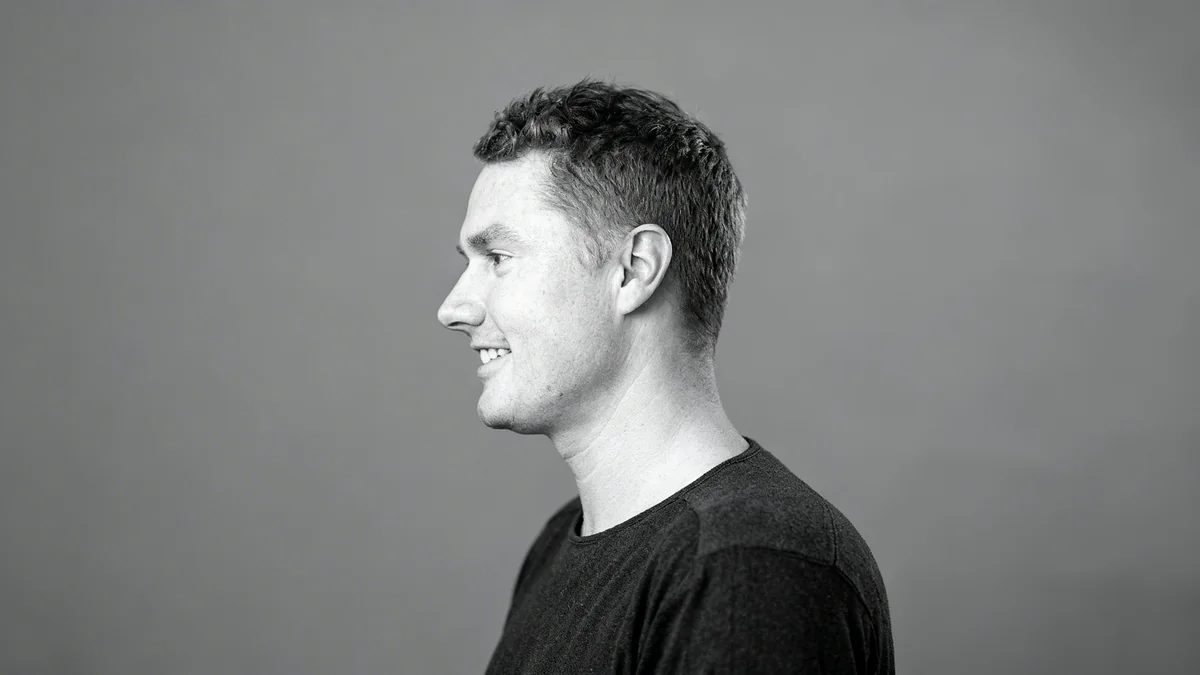
Nico Tschanz, a 37-year-old wealth advisor from Mühleberg, has lived in Dubai for five years. He describes a pervasive sense of unease in the city. Following the initial strikes, he took immediate precautions, including filling his car with fuel, preparing an emergency backpack, and stocking up on water.
Tschanz notes a pattern of drone and missile attacks occurring roughly every four hours since the weekend, though the frequency has decreased. He observes palpable uncertainty among residents. Some of his acquaintances have even attempted to drive to Oman to charter private jets, seeking departure from the region as airspace faces restrictions.
"The situation creates a very uneasy feeling," Tschanz stated during a telephone interview from Dubai. "While I didn't panic, I want to be prepared if things escalate."
Key Fact
Dubai's primary threat comes from falling debris and shrapnel from intercepted projectiles, not direct hits.
The Challenge of Misinformation on Social Media
A significant concern for Tschanz is the spread of misinformation, particularly on social media platforms. Dubai is home to many influencers, some of whom are reportedly posting old images of accidents and fires, presenting them as current war damage to gain clicks. This practice, he says, fuels unnecessary panic among the population.
Authorities have urged residents to rely only on official channels for information. They advise against sharing unverified videos. It remains difficult to determine whether fires in some hotels result from direct impacts or from fragments of intercepted missiles.
Tschanz spoke with Arthur Mattli, the Swiss Ambassador to the United Arab Emirates and Bahrain, who confirmed the effectiveness of the defense systems. According to the ambassador, approximately 99 percent of projectiles have been intercepted.
Doha Under Alert: Daily Life and Defense Measures
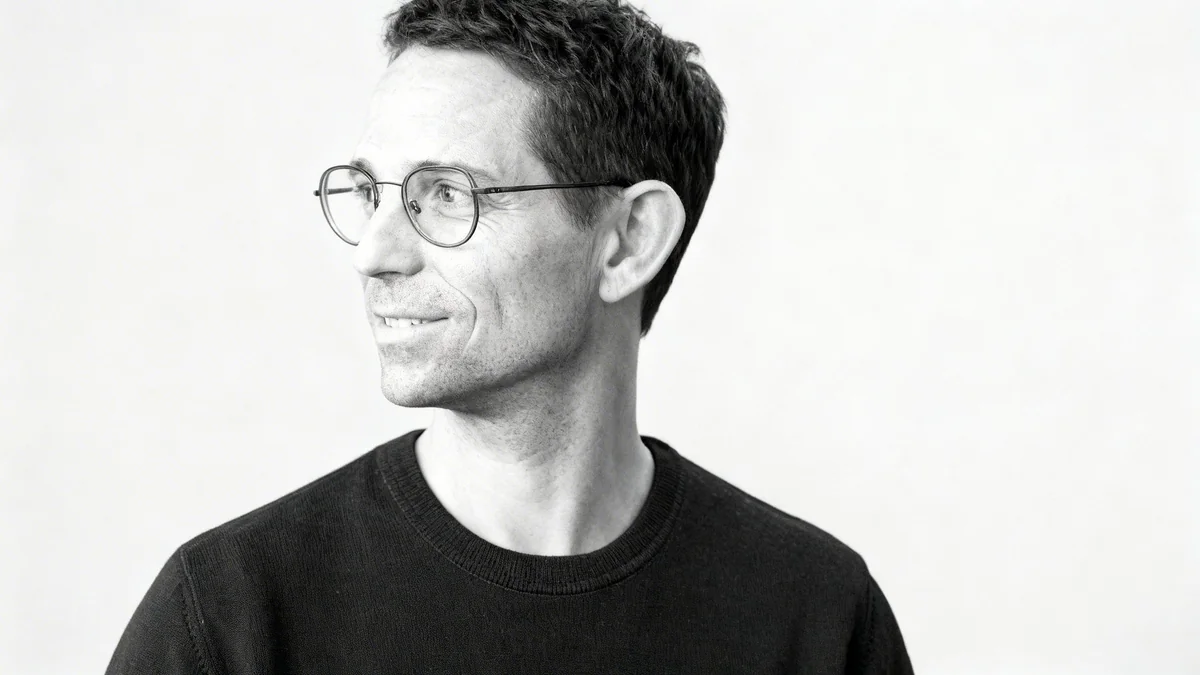
Approximately 400 kilometers west, in Doha, 33-year-old David Bühler from Wangen an der Aare has experienced defense sirens as a daily occurrence since the weekend. Bühler, a banker who has lived in Qatar's capital for four years, reports hearing frequent explosions.
He often cannot immediately tell if the sounds are from intercepted projectiles or actual impacts. The extreme loudness of the detonations makes it hard to gauge their distance. "It makes you a bit paranoid," he admits.
Background
The current escalation between Iran and the USA has led to retaliatory strikes targeting US military bases in Gulf states. This has impacted civilian areas in Dubai and Doha.
Bühler works from home in a high-rise building in the West Bay business district. He notes a newfound appreciation for living on the fourth floor rather than the fortieth, allowing quicker access to protected shelters in the basement if needed. His main concern is his partner, who works for an American hotel chain and must be physically present at her job. "After seeing pictures of burning hotels in Dubai, it does create some fear," he shared.
Qatar's Robust Response and Community Support
Bühler expresses confidence in the Qatari army, praising the country's handling of the situation. He highlights the effective defense mechanisms. Qatari fighter jets have been airborne since Sunday, actively intercepting projectiles before they reach the coast.
Crisis communication in Qatar is also exemplary. Residents receive regular SMS alerts, all-clear notifications, and updates. The current instruction is to stay indoors as much as possible. To prevent panic buying and chaotic scenes at stores, major supermarkets have extended their opening hours to 24 hours.
- SMS warnings and updates are frequent.
- Residents are advised to stay home.
- Supermarkets operate 24/7 to prevent shortages.
The holy month of Ramadan is currently underway in Arab countries, which naturally reduces daytime public activity. Now, public life in Doha is almost completely halted, with events canceled and Doha Airport temporarily evacuated for security reasons.
Looking Ahead: Uncertainty and Thoughts of Return
Both Tschanz and Bühler anticipated an escalation given the US military presence in the region. They also expected Iran to target US military bases in the Gulf states. However, they were surprised by the speed and scale of the Iranian retaliation.
Neither believes Iran can sustain this intensity of attacks long-term. "I cannot imagine that Iran can continuously attack several countries simultaneously," Tschanz stated. Observers do not rule out the possibility of Gulf states directly retaliating against Iran if further attacks occur.
Nico Tschanz hopes the UAE will continue to focus on defense. However, he has considered returning to Switzerland temporarily for safety. David Bühler reflects with sadness on his move to Qatar four years ago, a time of optimism before the World Cup. He fears this escalation will significantly set back the region's progress.