


Negotiations between Switzerland and the United States regarding a new tariff agreement are underway, aiming to reduce the current 39 percent tariffs on Swiss exports to the US down to 15 percent. This proposed deal, however, is generating significant concern among Swiss parliamentarians regarding its reliability and fairness, particularly given the US President's ability to act unilaterally.
The Swiss Federal Council is pushing for a binding agreement. This would require parliamentary approval in Switzerland. In contrast, the US President can implement such an agreement through executive decree, bypassing congressional approval. This fundamental difference in legislative process is a core source of the unease.
Key Takeaways
- Proposed deal aims to cut US tariffs on Swiss exports from 39% to 15%.
- Swiss parliamentarians express strong doubts about the deal's reliability.
- US President can change the agreement unilaterally, unlike Switzerland.
- Swiss companies face binding commitments, while US commitments are less secure.
- Concerns include potential changes to food safety laws and product certifications.
Unilateral Power and Legal Uncertainty
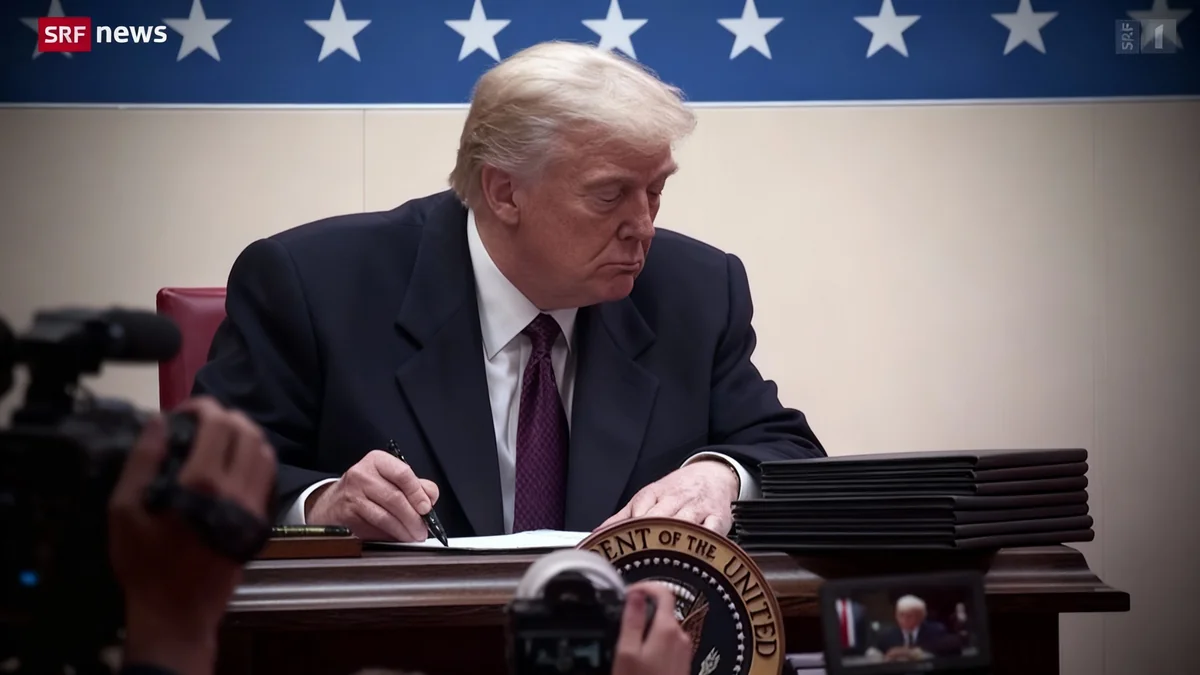
Manfred Elsig, Director of the World Trade Institute at the University of Bern, highlights the unusual nature of this agreement. He states that it cannot be considered a standard trade agreement or a state treaty. The US intends for it to be an executive-level agreement, meaning the President can enact it without Congressional involvement.
This contrasts sharply with the Swiss system. Any binding international treaty must pass through the Swiss Parliament. This disparity creates a significant imbalance in the legal security of the agreement.
"The Americans want to pass this purely through the executive, meaning through the President," Elsig explained. "This means the American Congress will not deal with it. In Switzerland, it is different: if it is a binding treaty, it must go through Parliament."
Key Fact
Current US tariffs on Swiss exports stand at 39 percent. The proposed deal aims to reduce this to 15 percent.
Swiss Commitments Versus US Flexibility
The proposed agreement places specific obligations on Switzerland. Swiss companies, such as Stadler Rail, are expected to commit to significant investments in the US, potentially totaling hundreds of billions. The Swiss Federal Council would also agree not to introduce a digital tax.
Moreover, the agreement could necessitate changes to Swiss food safety regulations. This might include allowing the import of chlorine-treated poultry, a product currently not permitted under Swiss law.
Background on Trade Deals
International trade agreements typically involve reciprocal commitments from all parties, often requiring legislative approval. The unique aspect of this Swiss-US deal lies in the differing approval processes, which could lead to an imbalanced legal framework.
On the American side, the situation is different. National Councillor Fabian Molina (SP/ZH) warns about the one-sided nature of the contract. He emphasizes that the US President could unilaterally alter or withdraw from the agreement at any time.
"With this agreement, Switzerland will be internationally obligated to adapt certain laws, make certain concessions, and refrain from certain actions," Molina stated. "But on the US side, President Trump alone can change this agreement again at his usual discretion."
Risks to Product Certification and Legal Recourse
FDP National Councillor Hans-Peter Portmann, generally a supporter of a tariff deal, expresses concerns about product certifications. He warns that the agreement could introduce uncertainties. For example, a US car manufacturer could sue in Switzerland if they felt legally discriminated against.
However, the reverse might not be true. If a Swiss company feels discriminated against in the US, they may not have legal recourse. This is because the US agreement would be a presidential decree, not a law passed by Congress.
- Swiss Obligations: Adapt laws, make concessions, refrain from certain actions.
- US Flexibility: President can unilaterally change or withdraw.
- Investment: Swiss companies like Stadler Rail to invest hundreds of billions in the US.
- Digital Tax: Swiss Federal Council to forego introducing a digital tax.
- Food Standards: Potential changes to allow imports like chlorine-treated poultry.
Elsig further reiterates the lack of broad legal security in the proposed agreement. While there might be some certainty regarding tariffs, many other aspects would remain volatile.
"There are certain legal certainties regarding tariffs. Many things will remain uncertain. The situation is volatile," Elsig noted.
The core issue remains the President's personal decision-making power in the US. Ultimately, the US President will personally decide what applies in the agreement and what does not. This asymmetry creates a challenging environment for Switzerland, which requires parliamentary approval for such international commitments.
Future Outlook and Parliamentary Debate
The Federal Council has drafted a negotiation mandate for this customs agreement. However, the concerns raised by parliamentarians indicate a challenging path ahead for its ratification in Switzerland. The debate will likely focus on the long-term reliability and the potential for the agreement to be altered without Swiss consent.
The economic benefits of reduced tariffs must be weighed against the legal uncertainties and the commitments Switzerland would undertake. The outcome will significantly impact Swiss businesses and potentially domestic regulations, making the parliamentary discussion critical.