


Residents of Bern are set to decide on a significant renovation project for the historic Lorrainebad. On March 8, the city's voters will cast their ballots on a proposed 22.3 million Swiss franc construction credit aimed at revitalizing the beloved river bath, a landmark since 1892.
Key Takeaways
- Bern residents vote March 8 on a 22.3 million franc renovation for Lorrainebad.
- The historic bath, built in 1892, requires extensive repairs due to structural damage.
- Proposed plans include reconnecting the pool to the Aare River, making it a true river bath again.
- Construction is expected from autumn 2027 to spring 2029, with complex site access.
- Political debate centers on the cost versus the necessity of the project.
A Historic Landmark in Need of Repair
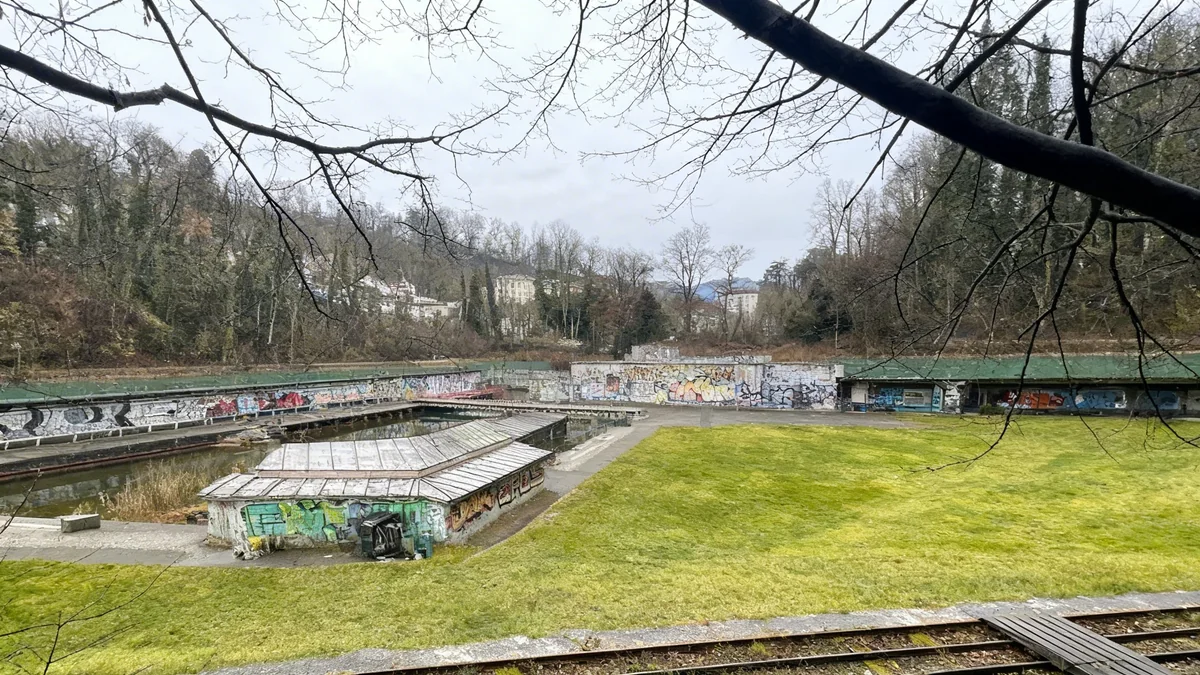
The Lorrainebad, often called the 'little sister' to the larger Marzili pool, holds a special place in Bern's history. Located in the northern part of the city, it has served generations of residents. However, time and natural events have taken their toll on the facility.
Structural issues are a primary concern. The dam separating the pool from the Aare River shows cracks, as do the retaining walls surrounding the sunbathing lawns. These damages make a comprehensive overhaul necessary to ensure the bath's long-term safety and functionality.
Lorrainebad's Long History
- 1892: The Lorrainebad was originally built.
- Early purpose: Initially planned as a school bath for the Lorraine commission.
- Evolution: Separated from the Aare between 1911 and 1918 due to city wastewater.
- 1949: Fully separated and fed by groundwater.
- Recent damage: Flooding in 1999 and 2005 deposited sludge and sand, promoting algae growth.
The Renovation Proposal: A Return to Roots
The proposed renovation aims to restore the Lorrainebad to its original character as a true river bath. A key part of the plan involves reconnecting the swimming basin with the Aare River. This connection would allow river water to flow through the pool, enhancing the natural bathing experience.
Beyond the pool itself, the project includes extensive upgrades to the supporting infrastructure. The retaining walls and dam will be fully repaired and reinforced. Modernization will extend to the changing rooms and toilets, bringing them up to contemporary standards. Additionally, the technical systems of the facility will be renewed.
Environmental improvements are also part of the vision. Plans call for planting native trees and shrubs around the bath area. This initiative will help integrate the facility more harmoniously into its natural surroundings and support local biodiversity.
"The bath is now in a rather desolate condition, and we are close to it being closed for safety reasons. That is why the bath must be renovated now," stated Johannes Wartenweiler, an SP city parliamentarian.
Logistical Challenges and Project Timeline
Undertaking a renovation of this scale at the Lorrainebad presents unique logistical challenges. The bath's location makes access difficult for heavy construction equipment and materials. It is only accessible via a footpath from both the Lorraine district and the Aare River itself.
To facilitate the construction work, these footpaths must be widened. This will allow for the transport of necessary machinery and supplies. The complex nature of site access contributes significantly to the overall project cost and timeline.
If approved, construction is scheduled to begin in autumn 2027. The project is estimated to take approximately 18 months, with completion expected by spring 2029. This timeline ensures the bath will be ready for the summer season following the renovation.
Lorrainebad's Unique Appeal
Unlike the more prominent Marzili pool with its view of the Bundeshaus, the Lorrainebad offers a more alternative atmosphere. Trains rumble overhead every 30 seconds, creating a distinct backdrop. While the Aare flows slower here due to a weir, many bathers still prefer the river's natural waters over the pool, which sometimes struggles with algae and carp.
Political Debate Over Costs and Necessity
The proposed 22.3 million franc budget has sparked political debate within Bern. The city parliament voted 64 in favor and 6 against the renovation, indicating broad support. However, the SVP (Swiss People's Party) of Bern has decided against the project, arguing for a more limited approach.
Janosch Weyermann, an SVP city councilor, expressed concerns about the financial burden. "The city of Bern, in its financial situation, cannot afford such a comprehensive renovation," he stated. He suggested that a partial renovation would be a more sensible option, focusing on critical repairs rather than a full overhaul.
Conversely, supporters emphasize the urgent need for comprehensive action. Johannes Wartenweiler of the SP (Social Democratic Party) highlighted the bath's deteriorating condition. He warned that without substantial investment, the Lorrainebad might face closure due to safety concerns. This perspective underscores the belief that the current proposal represents a necessary investment in a vital community asset.
The upcoming vote on March 8 will ultimately determine the future of this historic Bernese swimming facility. Residents will weigh the cost against the cultural and recreational value of the Lorrainebad, deciding whether to fund its comprehensive revitalization.