


The Swiss Federal Council has proposed a significant change in national financing: a temporary increase in Value Added Tax (VAT) by 0.8 percentage points. This measure, if approved, would fund the modernization and rearmament of the Swiss Army, aiming to inject an additional 2.7 to 3 billion Swiss francs annually into defense over ten years starting in 2028.
This decision marks a notable shift in how Switzerland finances its security initiatives. Historically, VAT increases have supported social welfare programs and infrastructure projects, such as the Old Age and Survivors' Insurance (AHV) or major transport initiatives like the NEAT railway project. Funding military rearmament through VAT is an unprecedented move.
Key Takeaways
- Federal Council proposes 0.8% VAT hike for military funding.
- Additional 2.7 to 3 billion CHF annually for ten years.
- Decision driven by current geopolitical instability.
- Parliamentary approval and public referendum required.
- Political parties divided on the proposed financing method.
Geopolitical Landscape Drives Defense Needs
The Federal Council cites the worsening geopolitical situation as the primary reason for this proposal. Events like the war in Ukraine, increasing tensions between major global powers, and emerging threats in cyberspace and air defense are putting pressure on Switzerland. There are also growing doubts about the reliability of international alliances.
The government argues that the Swiss Army is currently not fully capable of defending the nation in key areas. Urgent additional funds are necessary for equipment upgrades, infrastructure improvements, and developing new defense capabilities. Without new revenue streams, this substantial effort cannot be achieved.
Fact: VAT History
The Value Added Tax was introduced in Switzerland in 1995, replacing the old sales tax. Its increases have traditionally been tied to social programs and large-scale infrastructure, not military spending.
The Path to Implementation: Parliament and Public Vote
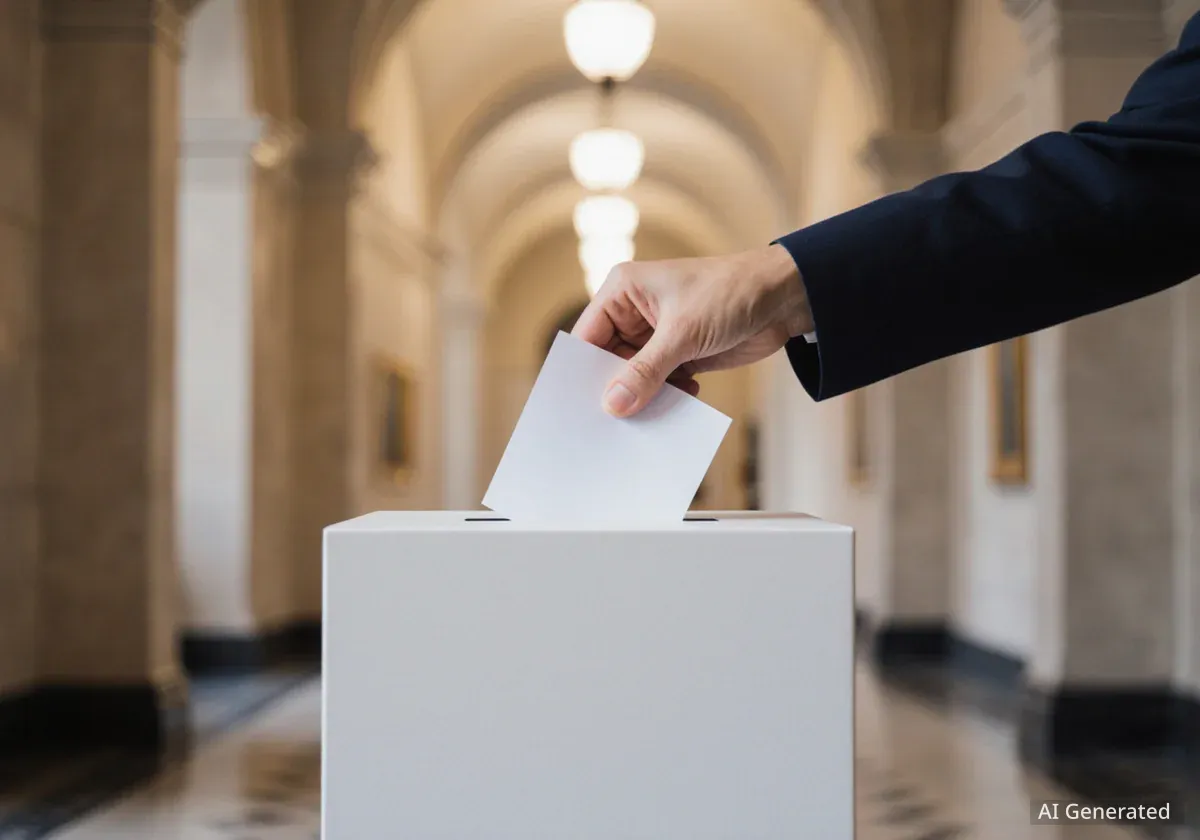
The proposal is far from finalized. It first requires approval from the Swiss Parliament. Following parliamentary debate and potential amendments, the Swiss public will have the final say. Any increase in VAT is subject to a mandatory referendum, meaning citizens will vote on whether to accept the higher tax burden for national security.
This democratic process means the debate will extend beyond political chambers and into public discourse. Citizens will weigh the costs against the perceived benefits of enhanced national defense.
Political Parties Divided on Funding Approach
The Federal Council's decision has ignited a fundamental debate among Switzerland's political parties. Support for the proposal is currently limited, with most parties expressing reservations or outright opposition, albeit for different reasons.
The Centre Party Supports the Proposal
The Centre Party, the party of Federal Councillor Martin Pfister, is the only major party to fully endorse the VAT increase. They view it as a democratic and fair way to fund national security.
"With a VAT increase, the population can decide whether they want to spend this money on their security or not," stated Philipp Matthias Bregy, President of the Centre Party. "That is the right democratic path."
The Centre Party also emphasizes intergenerational fairness. They argue that financing defense through current revenues prevents passing on debt to future generations.
Background: Intergenerational Fairness
The concept of intergenerational fairness suggests that current generations should not burden future generations with excessive debt or unresolved issues. The Centre Party uses this argument to support immediate tax increases over borrowing for defense.
Opposition from the Right: SVP and FDP
The Swiss People's Party (SVP) strongly rejects the tax hike. While acknowledging the importance of national security, the SVP insists that the federal government should re-prioritize existing expenditures instead of increasing taxes on citizens.
The SVP warns of an additional burden of approximately 2.7 billion francs per year on households. They draw parallels to the "temporary" defense tax introduced in 1940, which remains in effect today. The party also links the debate to internal security and asylum policy, suggesting these areas should be addressed first.
The FDP (Liberals) also opposes new taxes, despite recognizing the army's need for more funds. Co-President Benjamin Mühlemann cautions against a "knee-jerk reaction to new taxes." He doubts public approval for a VAT increase.
The FDP proposes alternative funding sources. These include partially selling Swisscom shares, while retaining a blocking minority, or utilizing profits from the Swiss National Bank. Senator Josef Dittli affirmed, "We urgently need to rearm – without a higher VAT."
Left-Wing Criticism: SP and Greens
Left-leaning parties voice their criticism with a different focus. The Social Democratic Party (SP) expresses "great skepticism" regarding the Federal Council's plans. Co-President Cédric Wermuth stated that "additional army billions are not justifiable if the money is invested in the wrong place."
The SP particularly objects to the continued commitment to the F-35 fighter jet project. They argue it represents a significant cost risk, as highlighted by reports from the Federal Audit Office. Furthermore, the SP believes it makes Switzerland too dependent on the United States for security policy. For the SP, cancelling the F-35 procurement would create necessary financial breathing room.
The Green Party's criticism is even sharper. National Councillor Balthasar Glättli calls the proposed VAT increase "unacceptable for financing the bourgeois rearmament frenzy." Instead of pouring billions "into the F-35 black hole," he argues for investments in future-oriented areas, such as climate protection. The Greens view the planned tax increase as socially unjust and irresponsible, but also see it as an opportunity for citizens to stop the "armament madness" at the ballot box.
The Green Liberal Party's Nuanced Stance
The Green Liberal Party (GLP) positions itself between these opposing views. They do not reject the plans outright but subject them to a "reality check." National Councillor Beat Flach criticizes the presentation of a bill without clear details on what specific services it would fund. He also notes that a VAT increase is particularly sensitive given the already planned burden for the 13th AHV pension payment.
At the same time, the GLP welcomes the Federal Council's broader approach to security. This includes cyber defense, protection of critical infrastructure, and enhanced European cooperation. This indicates a willingness to consider aspects of the proposal, even if the funding mechanism remains a point of contention.
A Historic Debate for Switzerland
The Federal Council's decision has initiated a fundamental national debate. This discussion goes beyond security, touching upon state financing, priority setting, and social compatibility. The use of VAT, traditionally a tool for social and infrastructure policy, to fund military rearmament adds significant weight to the current debate.
Ultimately, it will be the Swiss people, not Parliament, who decide whether to accept this historic policy shift. Their vote will determine the future direction of Switzerland's defense funding and its approach to national security in an evolving global landscape.
- Upcoming Decision: The public vote on the VAT increase is mandatory.
- Economic Impact: The proposed 0.8% VAT hike would generate billions for defense.
- Social Implications: Debate includes how tax increases affect various segments of society.