
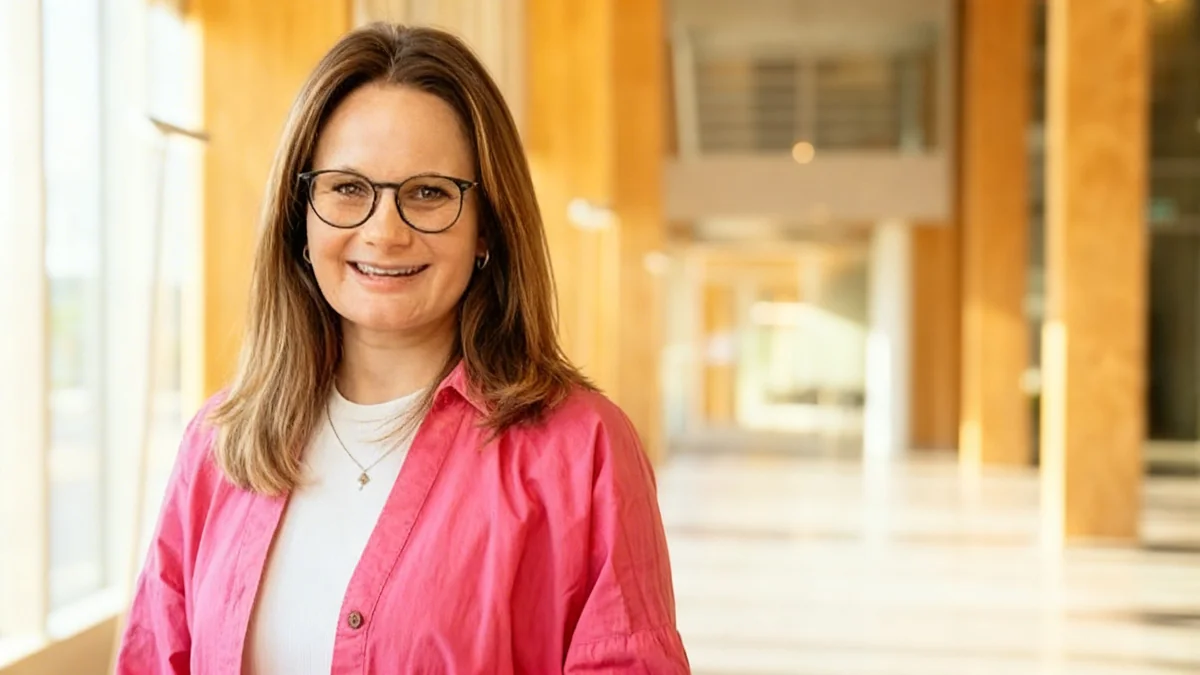

Germany's Ambassador to Switzerland, Markus Potzel, has expressed his country's desire for Switzerland to show more flexibility on key issues. These issues include the War Material Act, rearmament, and the traditional concept of neutrality. Ambassador Potzel noted that these topics have generated significant debate in Switzerland since his arrival in September.
Key Takeaways
- Germany seeks greater flexibility from Switzerland on war material exports.
- Ambassador Potzel highlights German desire for Swiss rearmament efforts.
- The discussion extends to Switzerland's interpretation of neutrality in a changing world.
German Expectations on War Material Act
Ambassador Potzel emphasized Germany's wish for Switzerland to adjust its War Material Act. This change would allow for re-export of Swiss-made defense equipment to countries involved in conflicts. The current Swiss law generally prohibits such re-exports, a stance that Germany believes hinders collective defense efforts.
Germany views the re-export of war material as a practical step towards supporting allies. Many European nations are increasing their defense spending and capabilities. This includes Germany itself, which has committed to significant investments in its military.
Fact Check
Switzerland's War Material Act is designed to uphold its neutrality by restricting the re-export of weapons to belligerent states. This policy has been a cornerstone of Swiss foreign relations for decades.
The Debate Over Swiss Neutrality
The concept of Swiss neutrality itself is under scrutiny. Chancellor Friedrich Merz of Germany previously stated at the World Economic Forum in Davos that the new world order is not a "cozy place." He suggested that international law is eroding, and the law of the stronger is gaining ground. This sentiment reflects a growing concern among European leaders about global stability.
Germany believes that Switzerland's traditional interpretation of neutrality may need to evolve. This evolution could allow Switzerland to play a more active role in international security. The discussions around neutrality are complex, touching on historical principles and contemporary geopolitical realities.
"The new world order is no 'cozy place.' International law is eroding worldwide, the law of the stronger is gaining ground," Chancellor Friedrich Merz noted at the WEF in Davos.
Redefining Engagement
For Germany, a modern interpretation of neutrality might involve closer cooperation on defense matters. This does not necessarily mean abandoning neutrality. Instead, it could mean finding ways to support democratic values and stability in Europe.
Switzerland's role in a changing security landscape is a frequent topic of debate within the country. Some argue for strict adherence to traditional neutrality. Others advocate for greater flexibility to align with international partners.
Focus on Rearmament and Defense Spending
Germany also hopes for more movement from Switzerland regarding rearmament. Many European countries are increasing their defense budgets. This is a response to current global security challenges. Germany itself plans to invest significantly in its armed forces.
The German government has committed to spending at least 2% of its GDP on defense. This commitment aligns with NATO targets. While Switzerland is not a NATO member, its defense capabilities contribute to overall European security.
Global Context
Following recent global events, many European nations have re-evaluated their defense postures. There is a collective push to strengthen military capabilities and enhance interoperability among allies.
Swiss Defense Posture
Switzerland maintains a strong national defense force based on conscription. However, the scope and nature of its defense investments are subjects of ongoing political discussion. Germany's view is that robust Swiss defense contributes to regional stability.
The debates in Switzerland about the War Material Act, rearmament, and neutrality are central to its foreign policy. These discussions reflect the country's efforts to balance its long-standing principles with the demands of a rapidly changing international environment.
Diplomacy in a Challenging Era
Ambassador Potzel's statements highlight the evolving nature of diplomacy. Traditional approaches may need adaptation in an era where international norms are tested. The emphasis is on finding common ground and practical solutions to shared security concerns.
Germany and Switzerland share strong economic and cultural ties. These diplomatic exchanges are part of a broader dialogue among European partners. The goal is to navigate the complexities of modern international relations effectively.
- Switzerland's economic strength provides a solid foundation for defense investments.
- Discussions between Germany and Switzerland are ongoing at various diplomatic levels.
- The outcome of these debates could shape Switzerland's future international engagement.