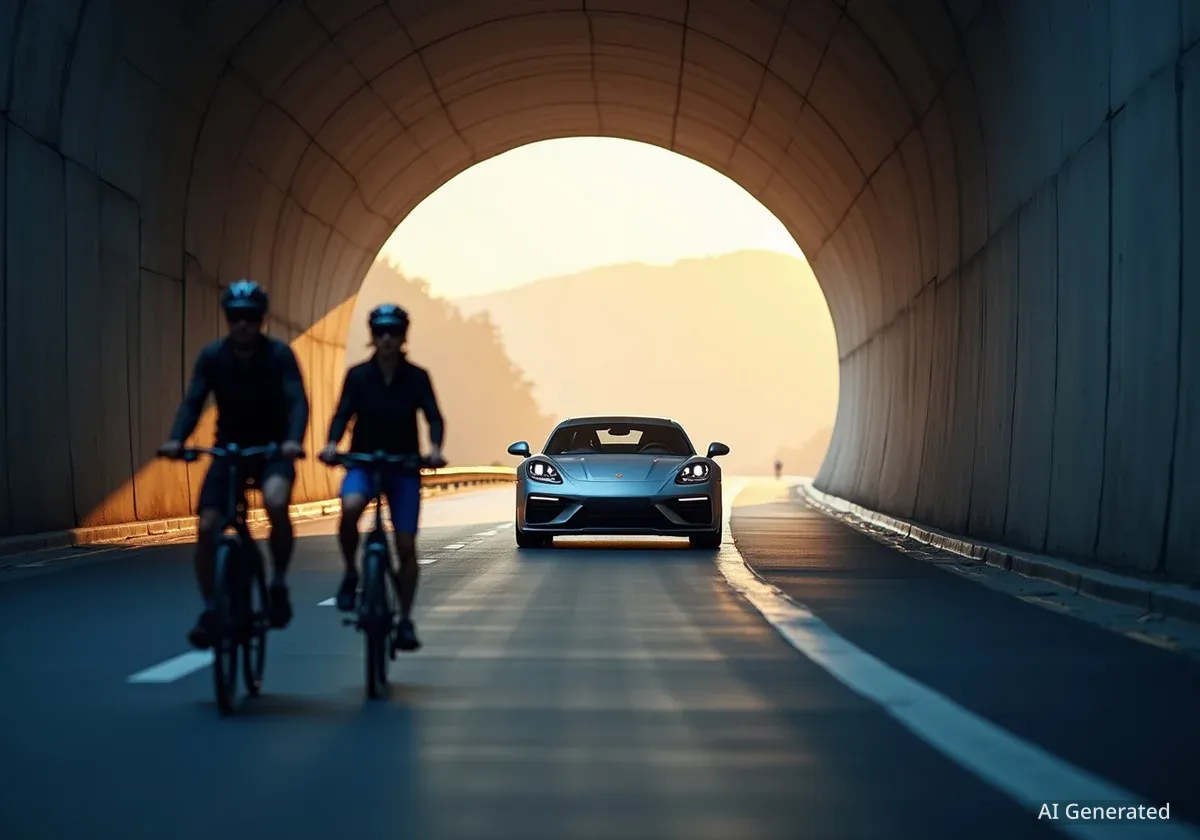


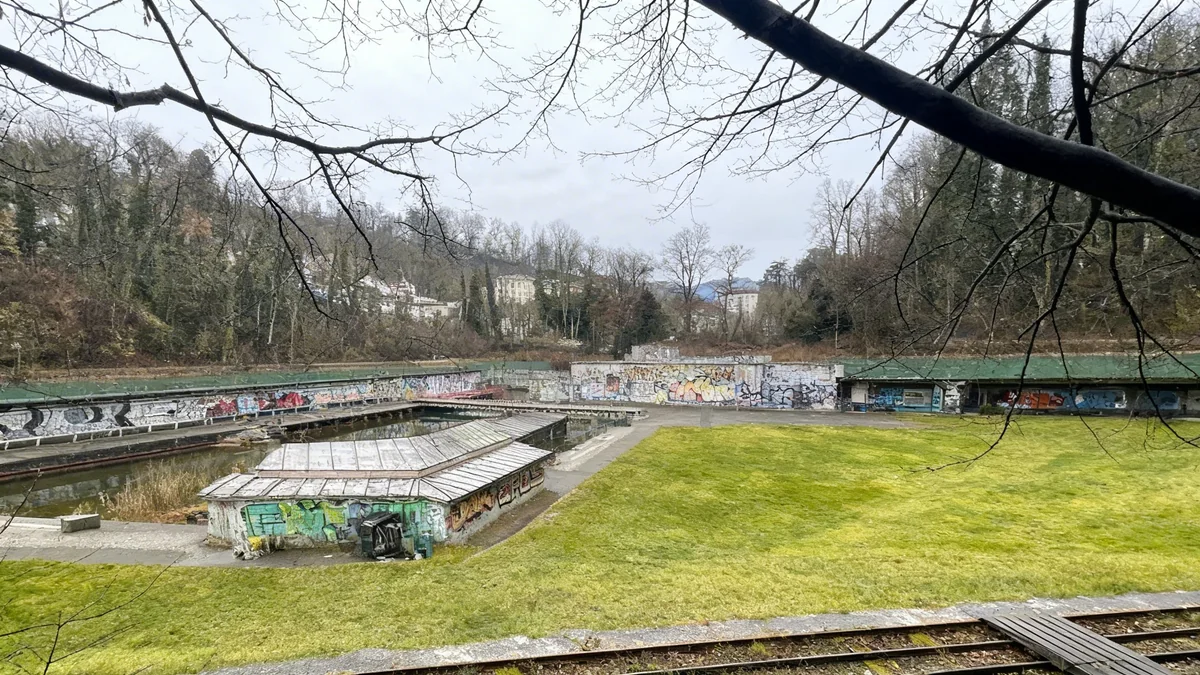
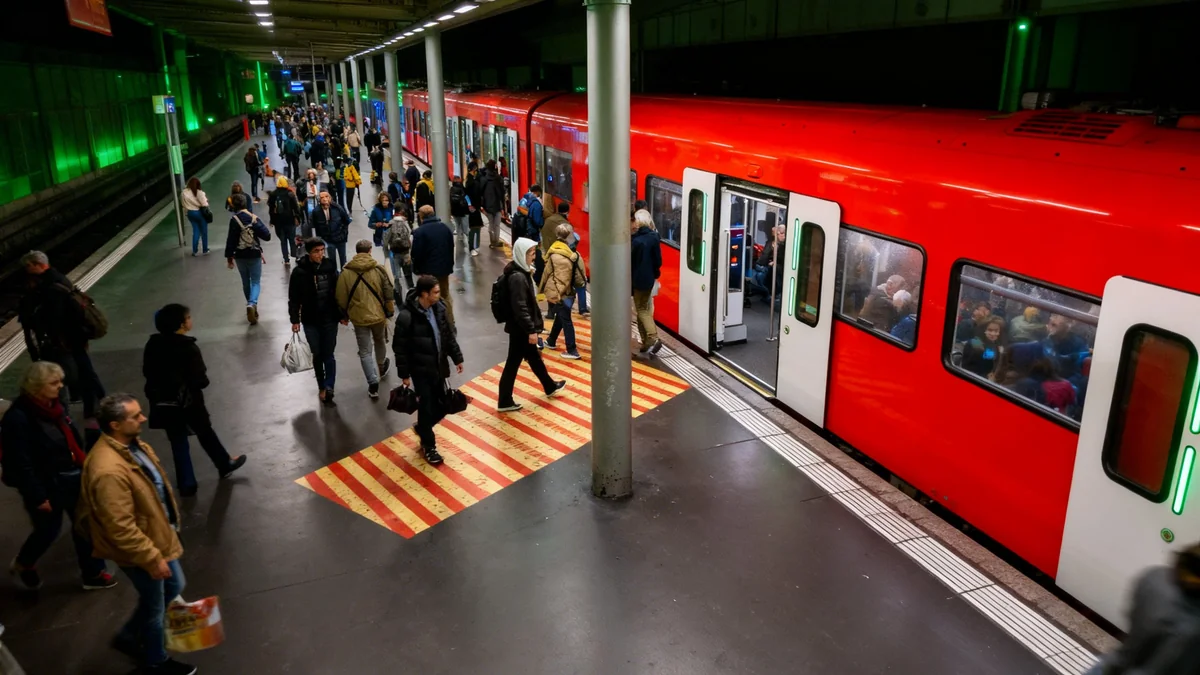
The cantons of Bern and Fribourg are moving forward with joint projects aimed at resolving long-standing traffic issues in the lower Sense District. A key component of this initiative is the proposed Chrummattunnel, a new tunnel connecting Mühletal to the Flamatt motorway exit, which will also include a park-and-ride facility.
Key Takeaways
- Bern and Fribourg are implementing 37 measures to improve traffic flow.
- The Chrummattunnel is a central project, planned for completion no earlier than 2032.
- The overall plan promotes sustainable mobility and public transport.
Comprehensive Traffic Solution Approved
The joint committee overseeing the 'Overall Traffic Solution Lower Sense District' has officially approved the project structure. This marks a significant step towards addressing the region's congestion problems. The announcement came from the Fribourg Mobility Directorate.
The committee is co-chaired by Fribourg State Councillor Jean-François Steiert and Bern Government Councillor Christoph Neuhaus. Their leadership highlights the collaborative effort between the two cantons.
Project Scope
The comprehensive plan includes a total of 37 distinct measures. These measures extend beyond road infrastructure to encompass a broader approach to mobility.
The Chrummattunnel Project
The Chrummattunnel is a crucial element of the overall strategy. This tunnel will provide a direct link from Mühletal to the Flamatt motorway exit, aiming to significantly reduce surface traffic in the area. A new park-and-ride facility will complement the tunnel, encouraging commuters to switch to public transport.
The tunnel project is part of Bern's agglomeration program. This designation means it is eligible for co-financing from the federal government. Such federal support is vital for large-scale infrastructure projects.
"The Chrummattunnel represents a major investment in the future of the Sense District. It will alleviate pressure on our roads and promote more sustainable travel options."
Timeline and Development
While the project structure is approved, the Chrummattunnel's realization is still several years away. Current estimates suggest the tunnel will be completed no earlier than 2032. A preliminary study is presently underway, a critical phase for detailed planning and assessment.
The 'Overall Traffic Solution Lower Sense District' concept was first introduced in 2022. Its long-term goals include resolving existing traffic bottlenecks and fostering sustainable mobility throughout the region.
Addressing Peak Hour Congestion
The existing road network in the lower Sense District often reaches its capacity during peak hours. This leads to significant delays and frustration for commuters and local residents. The new measures aim to create a more resilient and efficient transport system.
Beyond the Tunnel: Sustainable Mobility
The plan is not solely focused on road construction. It also includes significant investments in active travel and public transport. These efforts align with broader goals of environmental sustainability and improved quality of life.
- Cycling Path Expansion: New and improved cycling routes will encourage more people to use bicycles for daily commutes and leisure.
- Footpath Development: Enhanced pedestrian infrastructure will make walking a safer and more appealing option.
- Public Transport Promotion: Measures to boost the attractiveness and efficiency of public transport services are central to the strategy. This includes improved schedules and better connections.
These complementary measures are designed to create a holistic transport system. The goal is to offer residents viable alternatives to private car use, reducing overall traffic volume and environmental impact.
Intercantonal Cooperation
The collaboration between Bern and Fribourg is a model for regional development. Traffic issues often cross cantonal borders, requiring coordinated efforts. This joint project demonstrates a commitment to finding shared solutions for common challenges.
The committee's approval signals a unified approach. Both cantons recognize the importance of investing in modern infrastructure and sustainable transport options for their communities.
Economic and Environmental Benefits
Improved traffic flow has direct economic benefits. Reduced congestion means faster commutes, more efficient goods transport, and less time wasted for businesses. This can enhance regional competitiveness.
Environmentally, promoting cycling, walking, and public transport reduces carbon emissions and air pollution. The Chrummattunnel, by diverting traffic, will also contribute to better air quality in residential areas currently affected by heavy vehicle flow.
The project aims to strike a balance between necessary infrastructure development and environmental protection. It represents a forward-looking approach to urban and regional planning, ensuring that the Sense District remains accessible and livable for future generations.