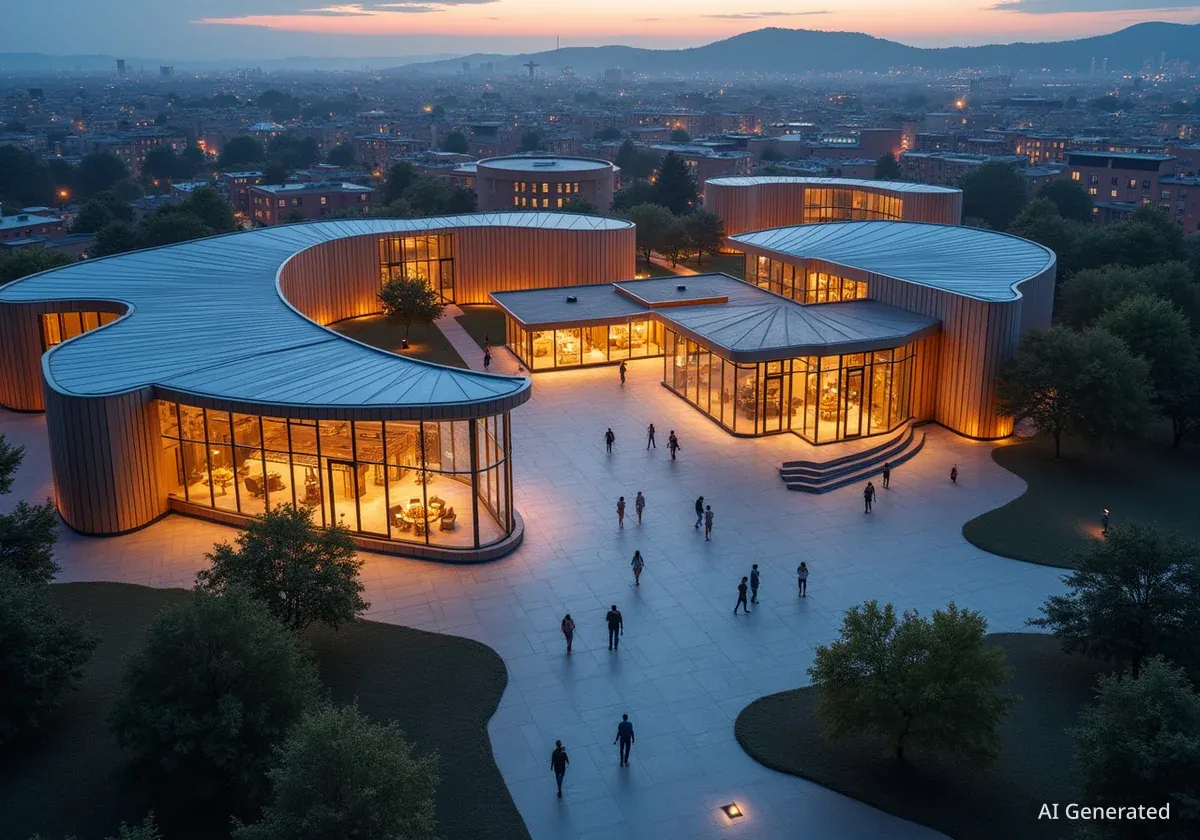

Bern's Museum Quarter is embarking on a significant urban development project. A new urban planning study aims to create a cohesive cultural and urban space, connecting the various museums around Helvetiaplatz. This initiative, launched by the Museumsquartier Bern association in collaboration with the Burgergemeinde Bern, the City of Bern, and the Canton of Bern, seeks a long-term vision for the area.
Key Takeaways
- A new urban planning study is underway for Bern's Museum Quarter.
- The goal is to create a unified cultural and urban space.
- Four major museums are involved: Alpine Museum, Historical Museum, Museum of Communication, and Natural History Museum.
- Five planning teams will be selected in March, with a winning project chosen by December.
- Participating teams will receive 100,000 Swiss Francs.
Vision for a Connected Cultural Hub
The core objective of the study is to develop a long-term urban vision for the Museum Quarter. This vision will transform the area into a more integrated cultural and urban environment. It focuses on establishing a seamless connection between the institutions situated around Helvetiaplatz.
This strategic planning is crucial for Bern as it seeks to enhance its cultural offerings. The project aims to make the museum experience more fluid and accessible for visitors.
Did You Know?
The Museum Quarter includes four prominent institutions: the Alpine Museum, the Historical Museum, the Museum for Communication, and the Natural History Museum. These institutions draw thousands of visitors annually.
Aligning Future Museum Projects
Another important aspect of the urban planning study involves coordinating upcoming construction projects at several museums. The study will ensure these individual developments contribute to the overall vision for the Museum Quarter. This approach prevents fragmented growth and promotes harmonious architectural and functional integration.
Effective coordination is vital for maximizing public investment and creating a unified aesthetic. It also ensures that infrastructural improvements benefit the entire district, not just individual buildings.
"We aim to create a truly coherent cultural and urban space that benefits both residents and visitors," a spokesperson for the Museumsquartier Bern association stated.
Collaborative Effort and Funding
The initiative is a joint effort, supported by key regional entities. The City of Bern, the Canton of Bern, and the Burgergemeinde Bern are all backing the project. This broad support underscores the significance of the Museum Quarter to the region's cultural landscape.
The four participating museums – the Alpine Museum, the Historical Museum, the Museum for Communication, and the Natural History Museum – are also integral to this collaboration. Their collective involvement ensures that the planning reflects the diverse needs and aspirations of the cultural institutions.
Background
The area around Helvetiaplatz has long been a cultural focal point in Bern. Developing a cohesive quarter has been a topic of discussion for years. This new study represents a concrete step towards realizing that ambition.
Timeline for Selection and Project Completion
The selection process for the urban planning study is structured with clear deadlines. According to the Simap tender platform, five planning teams will be chosen in March of the coming year. These teams will then proceed with developing their proposals for the Museum Quarter.
Each selected team will receive a compensation of 100,000 Swiss Francs for their participation. This remuneration ensures high-quality submissions from experienced urban planners and architects.
Key Dates
- March: Selection of five planning teams.
- December: Determination of the winning project.
The jury will announce the winning project in December. This timeline allows for thorough evaluation and ensures a well-considered decision. The chosen project will then serve as the blueprint for the future development of the Museum Quarter.
This comprehensive approach highlights Bern's commitment to cultural development and urban planning. The project promises to reshape a vital part of the city, enhancing its appeal as a cultural destination.