

The Federal Office of Transport (BAV) has granted planning approval for a new rail connection between Zurich and Winterthur. This project will expand the rail corridor to four tracks, aiming to reduce travel times for long-distance trains and increase regional service options. The new infrastructure is a crucial step in addressing the current congestion on the existing route.
Key Takeaways
- BAV approves new Zurich-Winterthur rail link.
- Project includes the 9-kilometer Brüttenertunnel.
- Expansion aims for faster long-distance travel and more regional connections.
- Construction is set to begin in early 2026.
- Total cost is estimated at 3.3 billion Swiss francs.
Addressing Rail Congestion Between Major Cities
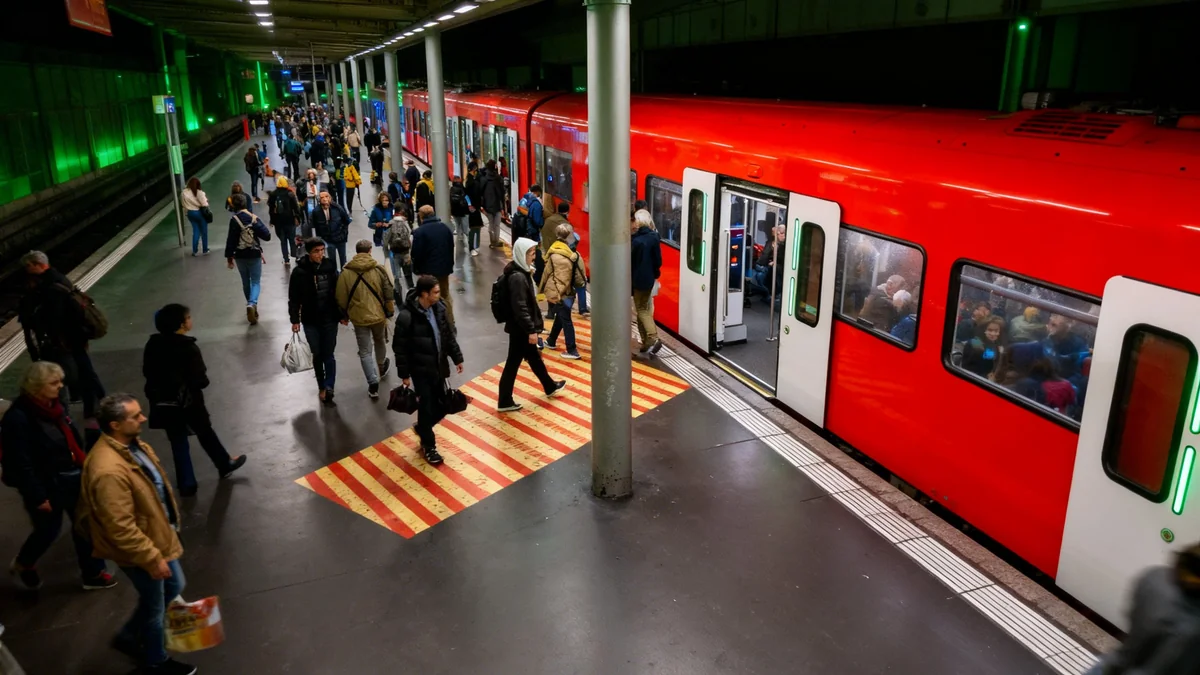
The current rail line connecting Zurich and Winterthur via Effretikon faces significant capacity challenges. This congestion impacts daily commuters and long-distance travelers. The approved project seeks to resolve these issues by creating a four-track corridor along the entire route.
Increasing the number of tracks will allow for a smoother flow of train traffic. This means fewer delays and more reliable schedules for passengers. It also creates opportunities to add more train services, especially in regional transport.
Project at a Glance
- Route: Zurich to Winterthur
- Key Structure: Brüttenertunnel (9 km)
- Estimated Cost: 3.3 billion CHF (2014 price basis)
- Construction Start: Early 2026
- Expected Completion: 2037
The Brüttenertunnel: A Central Component
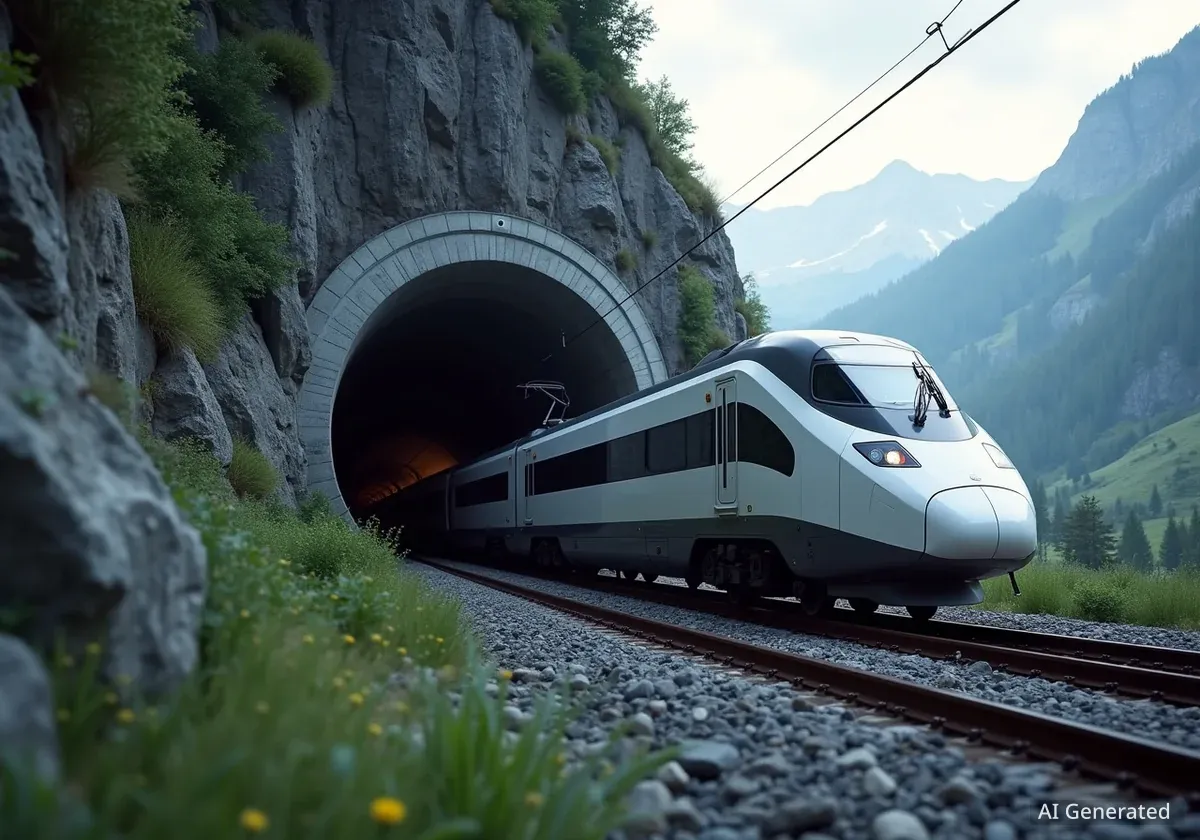
A key part of the new rail section is the Brüttenertunnel. This tunnel will be approximately nine kilometers long. It will feature two access routes, originating from Bassersdorf and Dietlikon. The northern entrance of the Brüttenertunnel will be located in Tössmühle, near Winterthur.
The tunnel's design includes grade-separated junctions in Wallisellen, Dietlikon, and Winterthur. These junctions are essential for boosting overall track capacity. They will help trains switch lines efficiently without causing delays to other services.
"The Brüttenertunnel is more than just a tunnel; it is the backbone of future rail efficiency between two of Switzerland's most important economic centers," stated a BAV spokesperson. "This project will significantly enhance passenger experience and operational capacity for decades to come."
Station Upgrades and Network Expansion
Beyond the main track expansion, several train stations along the route will undergo significant modifications. The stations at Winterthur-Töss, Dietlikon, Bassersdorf, and Wallisellen will be partially rebuilt. These upgrades aim to improve accessibility for all passengers, including those with disabilities.
In addition to rail improvements, the project includes expanding the cycling network in Dietlikon and Wallisellen. This shows a commitment to integrated transport solutions. It encourages sustainable travel options for local residents.
Public Consultation and Project Timeline
The public consultation phase for the four-track expansion took place in June 2023. During this period, over 200 objections were submitted by various stakeholders. A large number of these objections have since been resolved through discussions and adjustments to the plans.
If no further appeals are filed with the Federal Administrative Court within 30 days, SBB (Swiss Federal Railways) can finalize the construction schedule. This will allow them to inform affected residents about the definitive timelines and impacts of the work.
Background on Rail Expansion
The Swiss Parliament approved the capacity increase for this route in 2019. This was part of the 'Rail Expansion Step 2035' initiative. The project's advanced stage meant it was not included in the ETH Zurich's 'Transport '45' review.
The 'Rail Expansion Step 2035' is a national program. It aims to modernize and expand Switzerland's rail network. The goal is to meet growing demand and improve service quality across the country.
Financial Investment and Future Benefits
The new rail connection is a significant investment in Switzerland's infrastructure. The total cost of the project is estimated to be approximately 3.3 billion Swiss francs. This figure is based on 2014 prices.
The investment is expected to yield substantial benefits. These include shorter travel times for long-distance services. It will also allow for a significant expansion of regional train services. This will improve connectivity and convenience for thousands of daily commuters and travelers.
The project aligns with Switzerland's long-term vision for sustainable and efficient public transport. It demonstrates a commitment to modernizing the national rail network to serve future generations.